

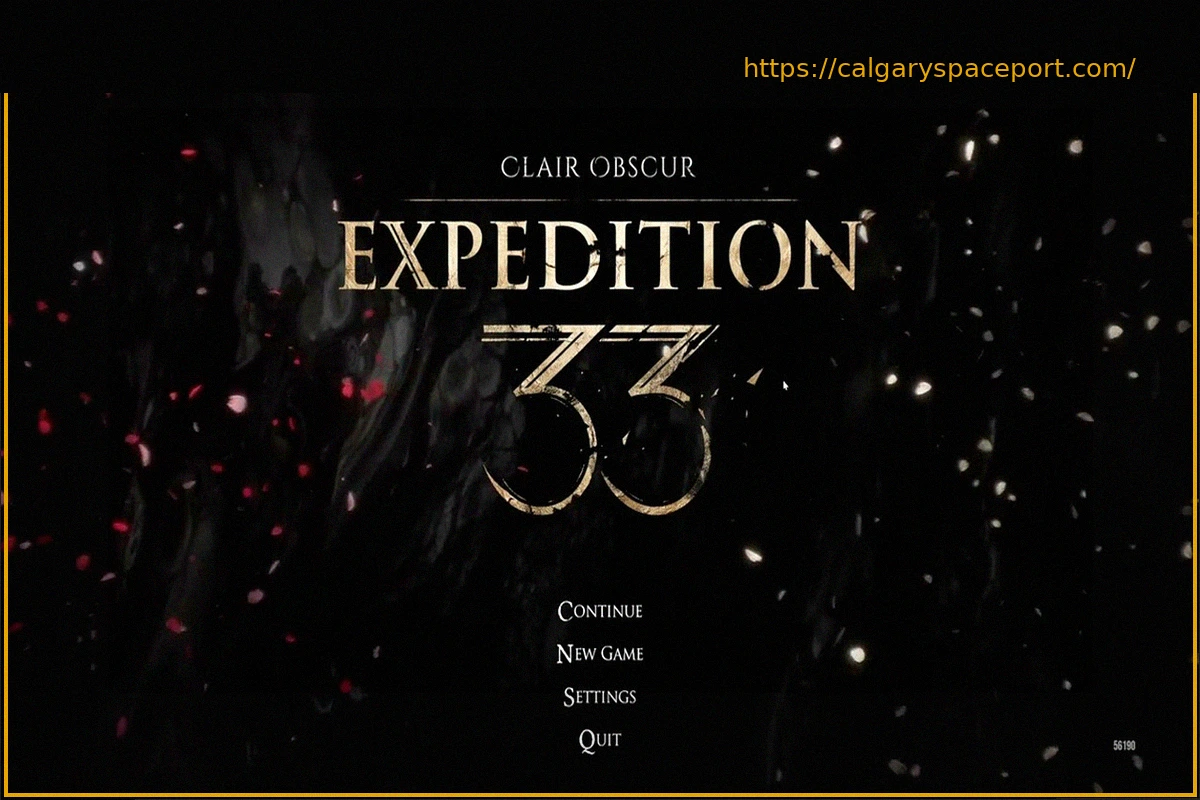
As artificial intelligence is increasingly seen as a potential replacement for various human tasks, storytelling often appears high on the list of susceptible domains. While players acknowledge the profound value of a compelling narrative, sometimes equating it with outstanding gameplay, the looming specter of an AI-dominated future leads some creators to consider integrating this technology into their craft.
However, Jennifer Svedberg-Yen, the lead writer for the game Clair Obscur: Expedition 33, stands apart from this trend. She recently shared her perspective, explaining that despite her interest in AI’s technological advancements, she does not view it as a tool capable of enriching or improving her narrative creative process.
“From a writing perspective, it’s not really something I find useful in my personal work, nor something I integrate into my workflow,” she clarified. She added, “Writing is part of the joy, it’s also part of the pain. It’s said there are two types of writers: those who write and are inspired and exhilarated, and who love it. And then there are writers who write through pain. I think I write through pain.”
Svedberg-Yen considers this “pain” a “vital” element of the literary creation process. “It’s about truly working on what the characters feel, working on what they would say, thinking about what emotions feel like within me, and then understanding the characters and who they are, translating that into their words, and finding the truth in that moment. I don’t know how to do that with AI.”
She continued, “The purpose of writing is to express what’s in my head, isn’t it? It’s meant to express our — as writers — our point of view, our understanding of the world, and relay something of our personal, lived experience, channeled through these characters into this fantastical scenario. I feel like you risk losing some of that when it essentially goes through a black box where you can’t necessarily understand all the ways AI gets from A to Z.”
In essence, AI, by attempting to simplify storytelling, risks stripping it of its humanity, depth, and emotion. This is a valid point, yet it might not be fully grasped by those who haven’t experienced the challenge and satisfaction of bringing characters to life from scratch.