

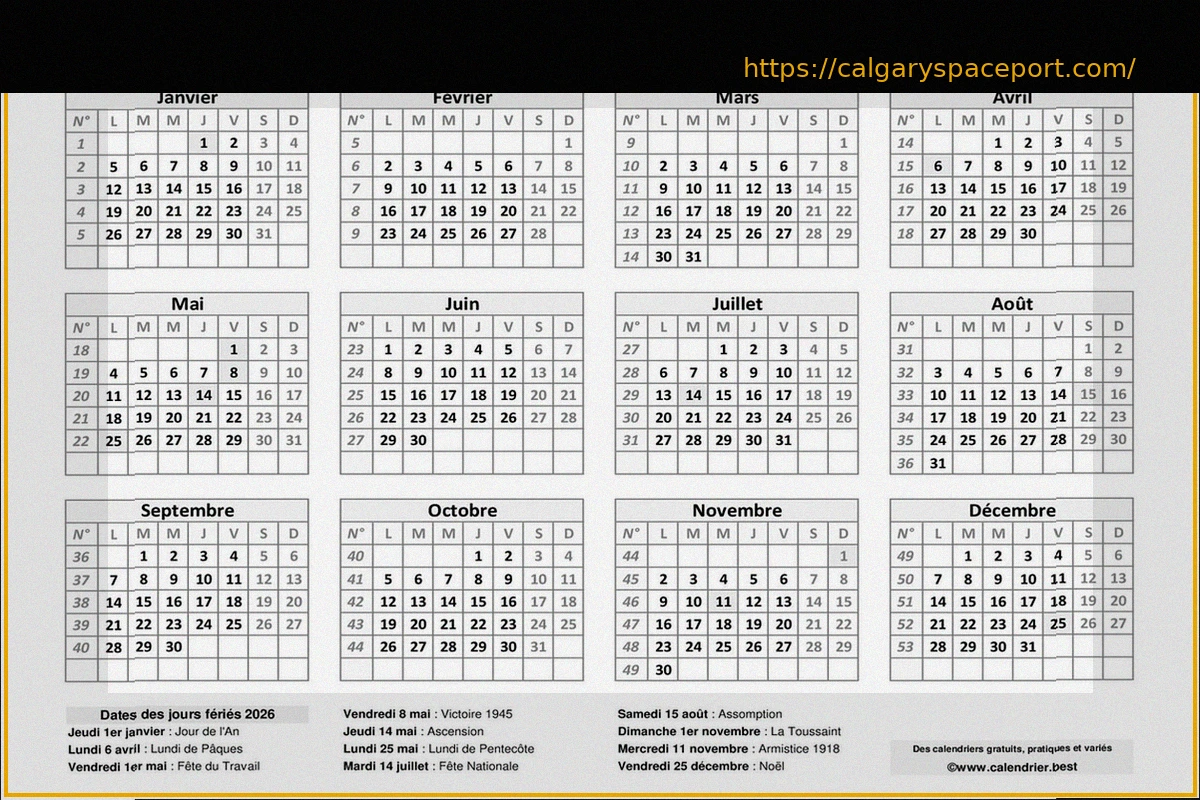
Twice a year, over a billion clocks across Europe adjust their time, either springing forward or falling back. And each time this happens, millions ponder which direction to change, by how much, and whether their devices will handle it automatically. This guide for 2026 is designed for residents and travelers throughout Europe.
Why Do We Change Clocks?
The tradition of shifting clocks to better utilize daylight hours originated in the aftermath of World War I. European governments, seeking to conserve coal, aligned waking hours more closely with the sun. Germany was among the first to adopt this practice, with neighboring countries quickly following suit. After decades of inconsistent timing, the European Union standardized the dates in 1998: clocks move forward on the last Sunday of March and fall back on the last Sunday of October.
The Spring 2026 clock change occurs on Sunday, March 29. Across most of continental Europe and the United Kingdom, clocks will advance by one hour at the designated local time. This means the night from Saturday to Sunday will be an hour shorter than usual. This initial groggy Sunday morning is the trade-off for extended golden summer evenings, often stretching well past 9 or 10 PM.
The Future of Clock Changes in Europe
Looking Ahead: The EU Parliament voted in 2019 to abolish the biannual time change, with 84% of surveyed Europeans supporting the end of the practice. Spanish Prime Minister Pedro Sánchez reiterated in October 2025 his intention to push the issue again in 2026. However, without an EU-wide agreement on adopting either permanent summer time or permanent winter time, the clock change practice continues for now.
Daylight Saving Time will conclude for 2026 on Sunday, October 25, 2026, when clocks will fall back by one hour. Similar to the spring change, here are the exact dates and times for you to adjust your clocks:
Spring Forward 2026 (Sunday, March 29)
- United Kingdom
01:00 → 02:00 BST - Denmark
02:00 → 03:00 CEST - Sweden
02:00 → 03:00 CEST - Norway
02:00 → 03:00 CEST - Finland
03:00 → 04:00 EEST - Germany
02:00 → 03:00 CEST - Italy
02:00 → 03:00 CEST - Spain
02:00 → 03:00 CEST - Portugal
01:00 → 02:00 WEST - France
02:00 → 03:00 CEST - Netherlands
02:00 → 03:00 CEST