

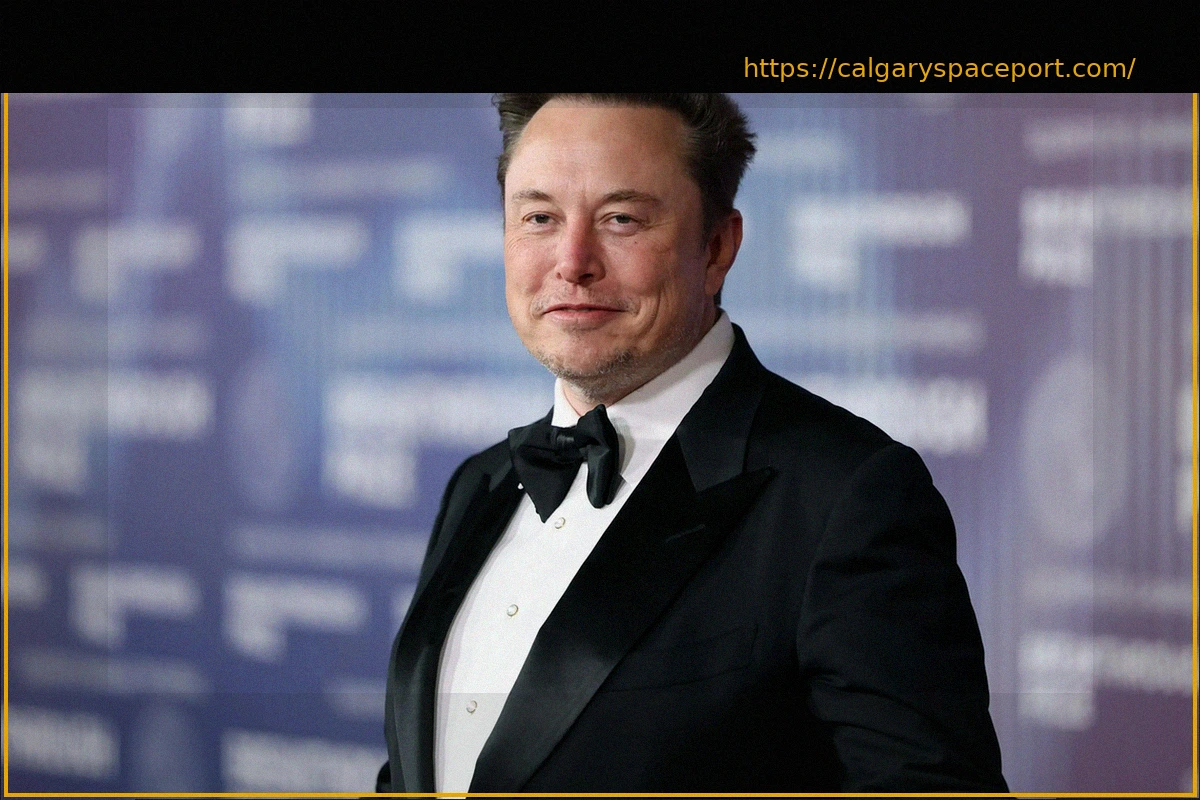
A recent civil trial in San Francisco concluded with a significant setback for Elon Musk, as he was found liable for defrauding shareholders. The core accusation centered on allegations that Musk orchestrated a deliberate drop in Twitter’s stock prices, aiming to secure a more favorable position for his 2022 acquisition of the social media platform, a deal ultimately valued at $44 billion.
Musk’s alleged method was relatively straightforward. He publicly claimed on various social media platforms that Twitter had been dishonest about the actual number of fake accounts, including those created solely for spamming, present on its platform. He suggested that official reports significantly underestimated these figures. Prosecutors argued this was done with the intent to harm the stock’s value, based on the principle that fewer genuine users equate to lower company valuation.
According to reports, Francis Bottini, the attorney representing the shareholders, stated that the estimated damages amount to $2.5 billion. Bottini emphasized that, as the world’s wealthiest individual, a simple tweet from Musk possesses the power to directly influence financial markets. He argued that Musk must therefore be held accountable for the financial harm he caused to Twitter’s investors. Musk’s legal team has already announced their intention to appeal the verdict.
This outcome contrasts with Musk’s generally successful track record in recent lawsuits. Notably, he prevailed in a fraud case related to securing funding for Tesla in 2023 and also won a case concerning his own compensation just last year. The current lawsuit stemmed from three specific public statements Musk made regarding Twitter’s pervasive bot issue. One of these statements has since been removed, while the other two pertained to the quantity of bot accounts, with the most prominent claim suggesting that the number of bot accounts could be significantly higher than 20% of Twitter’s user base. The trial itself spanned approximately three weeks.