

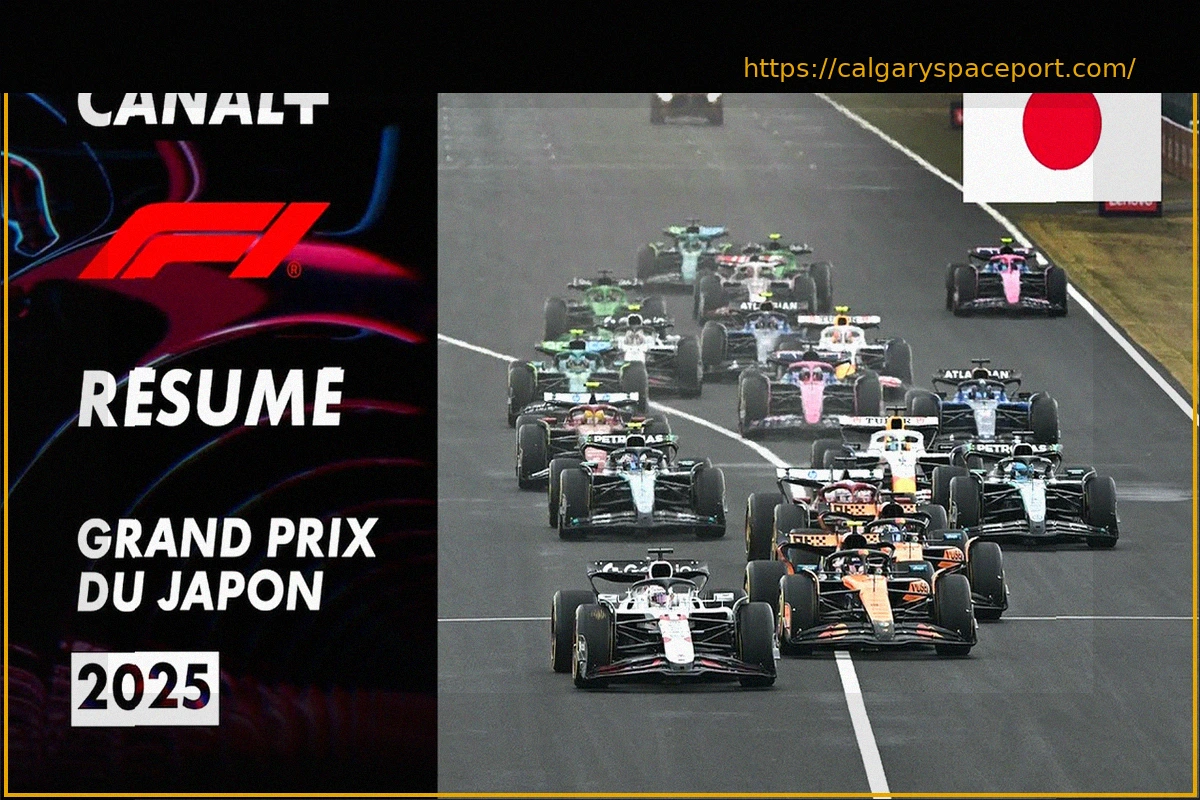
The FIA has announced adjustments to energy management protocols specifically for the qualifying sessions of the Japanese Grand Prix on Saturday. Following an agreement with all power unit manufacturers (Mercedes, Ferrari, Red Bull Ford, Audi, and Honda), the maximum energy recharge permitted for qualifying at Suzuka will be reduced from 9 megajoules (MJ) to 8 megajoules. This change, according to the FIA, is intended to ‘maintain the desired balance between energy deployment and driver performance’.
Practically, this means drivers will harvest less energy to charge their batteries on the straights during qualifying. Consequently, they will spend less time ‘lifting and coasting’ to recover energy, encouraging them to push harder. Some prominent critics of current Formula 1 energy regulations have argued that qualifying sessions had become more of a ‘battery management’ exercise than a pure test of driving skill.
However, the FIA asserts that this is not a retreat from their broader strategy. They state that ‘the initial trials under the 2026 regulations have been an operational success, and this targeted refinement is part of the normal optimization process as the new regulatory framework is further validated under real-world conditions’.
Ferrari driver Charles Leclerc believes the change will not be a ‘game changer’ and that the cars will feel largely similar. In contrast, Lewis Hamilton, a strong advocate for the new rules on the grid, welcomed the adjustment, noting that ‘lift and coast is really, really not enjoyable to do, particularly for a qualifying lap’.
Mercedes driver George Russell, the current championship leader, downplayed the impact, stating, “It’s just a small detail. It doesn’t change anything. It’s a small adjustment. I haven’t quite seen the data yet on the difference from what I’ve driven on the simulator, so I’m not exactly sure.”