

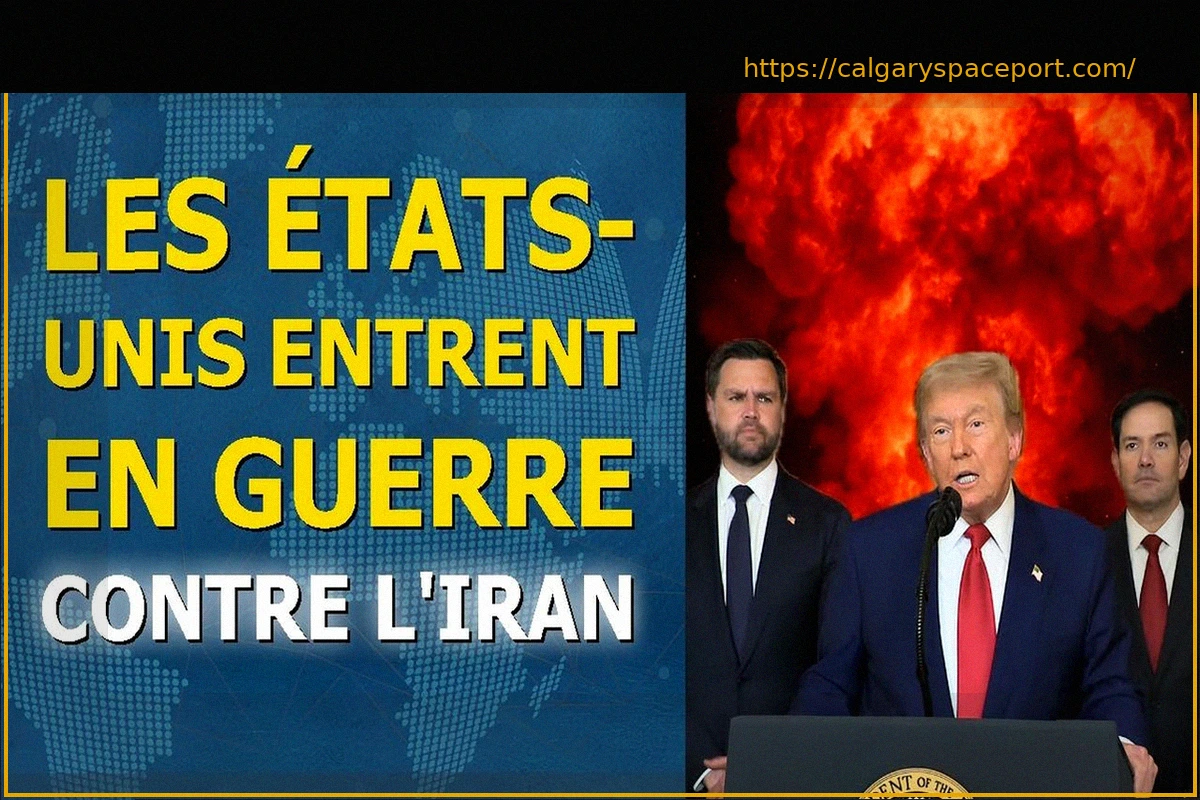
The Iranian military has unequivocally rejected assertions by U.S. President Donald Trump regarding ongoing peace discussions, suggesting that Washington is merely “negotiating with itself.”
“Has the intensity of your internal struggles reached a point where you find yourselves negotiating with yourselves?” queried Ebrahim Zolfaqari, a spokesperson for Iran’s armed forces. He further advised, “Do not mislabel your failures as agreements.”
Despite Tehran’s denial, Trump has maintained that dialogues are indeed in progress. Speaking from the White House, he affirmed that the United States is in contact with the “right people” within Iran, who, he believes, are “so badly” eager for a resolution.
Reports from U.S. media outlets indicate that Washington has conveyed a 15-point proposal to Tehran via Pakistan. This plan reportedly suggests that Iran dismantle its nuclear facilities, suspend its missile development programs, restrict its support for regional allies, and ensure the reopening of the Strait of Hormuz. In exchange, the U.S. would lift nuclear-related sanctions and offer assistance to Iran’s civil nuclear program.
However, Iranian officials have consistently refuted any claims of direct negotiations. “There have been no direct or indirect negotiations whatsoever,” stated Reza Amiri Moghadam, Iran’s Ambassador to Pakistan. It appears that Pakistan and Turkey are currently serving as crucial intermediaries, facilitating the relay of messages between Tehran and Washington.
Amidst this atmosphere of diplomatic uncertainty, military activities persist in the region. Israel has conducted airstrikes on Iranian infrastructure in Tehran, which reportedly resulted in 12 fatalities. In retaliation, Iran launched missiles targeting several locations within Israel. Concurrently, the United States is in the process of deploying additional troops to the region, further heightening tensions.