

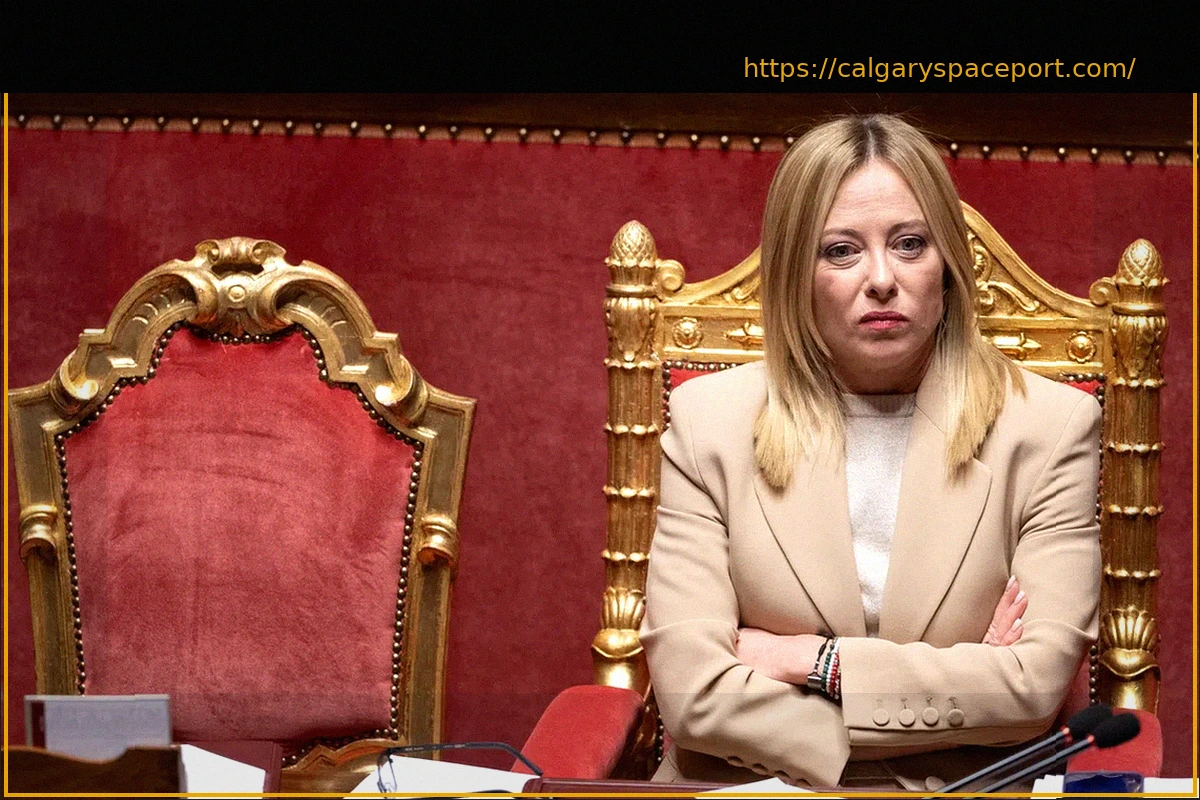
Italian voters have rejected Prime Minister Giorgia Meloni’s proposed judicial reform, delivering a significant political setback to her government.
During a two-day referendum, approximately 54% of voters opposed the reform, while 46% voted in favor. The voter turnout reached an unexpected 58.5%, indicating a strong level of public engagement on the issue.
The proposed reform aimed to overhaul the judicial system and would have necessitated changes to Italy’s post-war constitution. Although technically intricate, the campaign became highly politicized, with criticism of the judicial system playing a central role.
Younger voters proved particularly decisive in the outcome, with a clear majority opposing the reform. Despite a late push to garner their support, including through unconventional platforms, the ‘no’ vote ultimately prevailed.
Meloni acknowledged the referendum’s outcome, stating that her government would respect the decision and continue its governance. However, analysts suggest that this defeat could weaken her political standing and complicate future legislative efforts.
The outcome may also impede other key initiatives, including plans to introduce the direct election of the prime minister, another crucial constitutional amendment central to her political agenda.
Opposition figures, including Giuseppe Conte, lauded the result as a victory for constitutional safeguards, potentially providing them with the momentum needed to challenge Meloni more effectively in upcoming elections.
This setback occurs at a delicate juncture, with rising living costs and international tensions intensifying pressure on the government. While Meloni remains a formidable figure in Italian politics, the referendum implies that her grasp on public support might be less firm than previously perceived.