

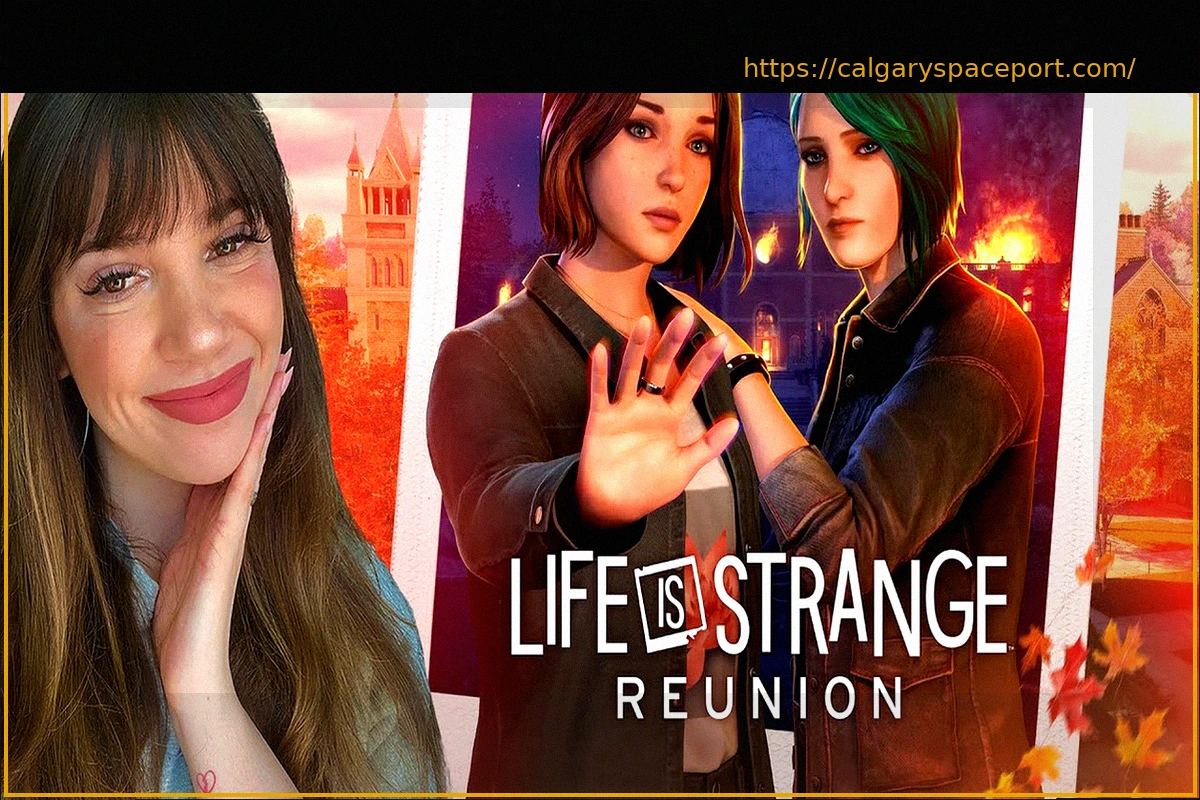
When it comes to a Life is Strange game, there are certain areas where excellence is expected. This series has built its reputation on core pillars: diverse and authentic characters, emotionally resonant and conflict-driven storytelling, and monumental, story-defining choices and twists. These are the elements we anticipate from a Life is Strange title, often outshining competitors despite potentially mediocre gameplay features or creative decisions elsewhere. This context is important because Life is Strange: Reunion is another clear example of this foundational structure.
Positioned as the latest chapter in the saga of Max Caulfield and Chloe Price, Reunion delves into how Max’s actions in Life is Strange: Double Exposure inadvertently brought Chloe back into her life (in a manner dependent on your previous choices). It also explores how Max’s interference with timelines has put her friends and her current home at Caledon University on a path toward destruction. Every choice ultimately carries a consequence, and this game is about navigating those repercussions, perhaps even demonstrating a total disregard for learning from past cataclysmic mistakes. Reunion’s primary goal is to prevent a devastating fire from engulfing Caledon while trying to save the lives threatened by the inferno. Although Max’s actions are the root cause, her immediate reaction is to meddle with time once more, attempting to ‘correct’ the timeline and sculpt a perfect ending—a narrative premise deeply layered with moral ambiguities.
Indeed, developer Deck Nine has crafted an entertaining and intriguing story. It boasts a better pace, more memorable twists and revelations, and a deeper layer of intrigue and mystery, all while upholding Life is Strange’s fundamental principle of choices and consequences. From a narrative perspective, this is another triumph for Deck Nine, a beautiful example of how Life is Strange games can stand alongside the best when judged purely on their storytelling.
Similarly, the implementation of choices ensures that each one stands out, feeling critically impactful and significant to the overarching narrative. Whether you choose to confess your adoration for another character or actively accuse someone of being a potential pyromaniac, every decision serves a purpose and will guide you towards either a joyous or merciless conclusion. It is this journey of seeing where your choices lead that makes Reunion such a satisfying experience—a game that could easily replace a movie or a few episodes of a TV series for a relaxing evening, watching the story unfold through your direct involvement. Again, this is one of the series’ primary strengths, and it doesn’t miss a beat this time around.
What I will say, and this slightly contradicts the improved plot pacing, is that Reunion doesn’t quite measure up concerning its characters and the depth of connection you form with them. Most of these individuals are people you already know intimately from Double Exposure, so there’s less need to get to know them better or see how their individual arcs fit into your broader narrative. In fact, this seems to be a more conscious decision by Deck Nine, trading a wider collection of new characters for the return of Chloe and the exploration of how the two Life is Strange icons, she and Max, navigate their relationship years after the events of the first game. There’s much to dissect and appreciate here, but I do miss having a broader cast that feels entirely new, learning tiny details about them bite by bite.
I may be nitpicking a bit, but you start to notice these more complex elements when the overall gameplay experience is as rudimentary as it is in Reunion. Of course, Deck Nine made the excellent decision to allow Max to use her rewind power more freely, enabling more creative solutions for narrative-driven problems and conversations. However, most of these feel highly scripted and planned, giving the impression that this feature isn’t a player tool, but rather the next step towards reaching the end credits. Similarly, when Deck Nine removes barriers and opens Reunion up to more gameplay-centric moments, you find that this is where it struggles most. On one hand, Caledon is a beautiful setting, but we’ve already traversed most of these areas and locations, meaning the sense of wonder isn’t the same as when first playing Double Exposure. Moreover, slowly jogging through a courtyard or walking around the Serpentine Turtle simply to interact with objects and trigger pre-programmed dialogue, or to find a handful of collectibles, is simply a bit dull. At times, one can’t help but feel that Reunion would have been better off without these rare open-ended gameplay sections, offering instead a more focused, sculptured, linear narrative from start to finish, much like a Telltale story.
Again, Reunion is a truly magnificent game where you can appreciate the resolution-centric mode due to a simple lack of necessity for tight, fluid 60 FPS action. The art direction, environmental design, and use of colors all come together to make this game stand out like an artist’s dream. But when it comes to interactive video games, the gameplay substance needs to be stronger, and the addition of Chloe as a second protagonist isn’t enough in this regard. Most of the time, she plays exactly the same way as Max, and her signature Backtalk ability is barely utilized, having very little place in the overall experience. Sometimes it feels like an oversight.
Ultimately, Life is Strange: Reunion will be judged more or less favorably depending on the time and energy you are willing to dedicate to it. Are you prepared to replay the story multiple times, reliving certain moments and chapters with the knowledge that it will eventually lead to a different scene or ending? If that’s your preference, then you’ll likely connect much better with Reunion than those who are content to conclude Max and Chloe’s journey after a single attempt. I find myself somewhere in the middle. There is genuine quality and brilliance in this game, but at the same time, I can’t help but feel it would either benefit from more interactivity and player-tailored gameplay, or a complete focus on storytelling, allowing a meticulously crafted and highly refined narrative to unfold on its own. Perhaps we’ll see a shift in the series’ future, but regardless, one thing is clear: Reunion once again emphasizes the essential elements that make a Life is Strange game special, and for that, Deck Nine deserves commendation once more.