

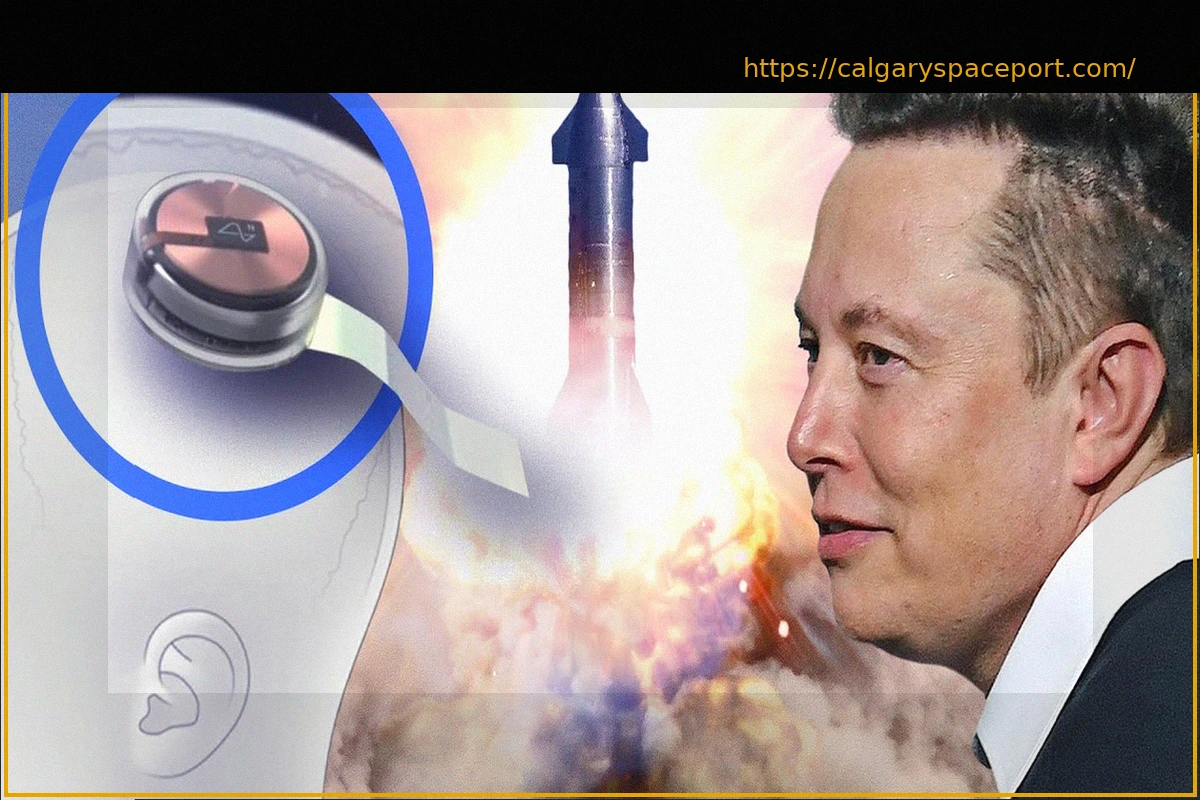
Elon Musk has unveiled ambitious plans for Tesla and SpaceX to establish two cutting-edge semiconductor fabrication plants in Austin, Texas, under a new initiative dubbed ‘Terafab.’
These facilities will be highly specialized: one will focus on chips meticulously designed for Tesla’s electric vehicles and its developing humanoid robots. The other will be dedicated to crafting advanced semiconductors for artificial intelligence systems, including the critical components needed for future space-based data centers.
Musk emphasized the immense demand driving this venture, stating that current global chip production would only satisfy approximately 3% of his companies’ projected future requirements. This stark figure underscores the monumental scale of semiconductor production necessary to support anticipated advancements in AI and robotics. His artificial intelligence venture, xAI, will also be an integral part of this ambitious project.
This announcement signals a strategic pivot towards deep vertical integration, as Musk aims to significantly lessen his reliance on external semiconductor suppliers, which currently include industry giants such as Samsung Electronics, TSMC, and Micron Technology.
According to Musk, these pioneering plants could eventually achieve a staggering output of up to one terawatt of computing capacity annually. He claims this potential capacity is roughly double the current total semiconductor production across the entire United States. Specifically, one type of chip will be engineered to power Tesla’s Optimus robots, while the other is designed to withstand and operate effectively in the challenging and extreme conditions of space.
However, no specific construction or production timelines have yet been confirmed for the Terafab project. Given Musk’s well-documented history of ambitious ventures often experiencing delays, the precise operational date for these groundbreaking facilities remains a subject of considerable uncertainty.