

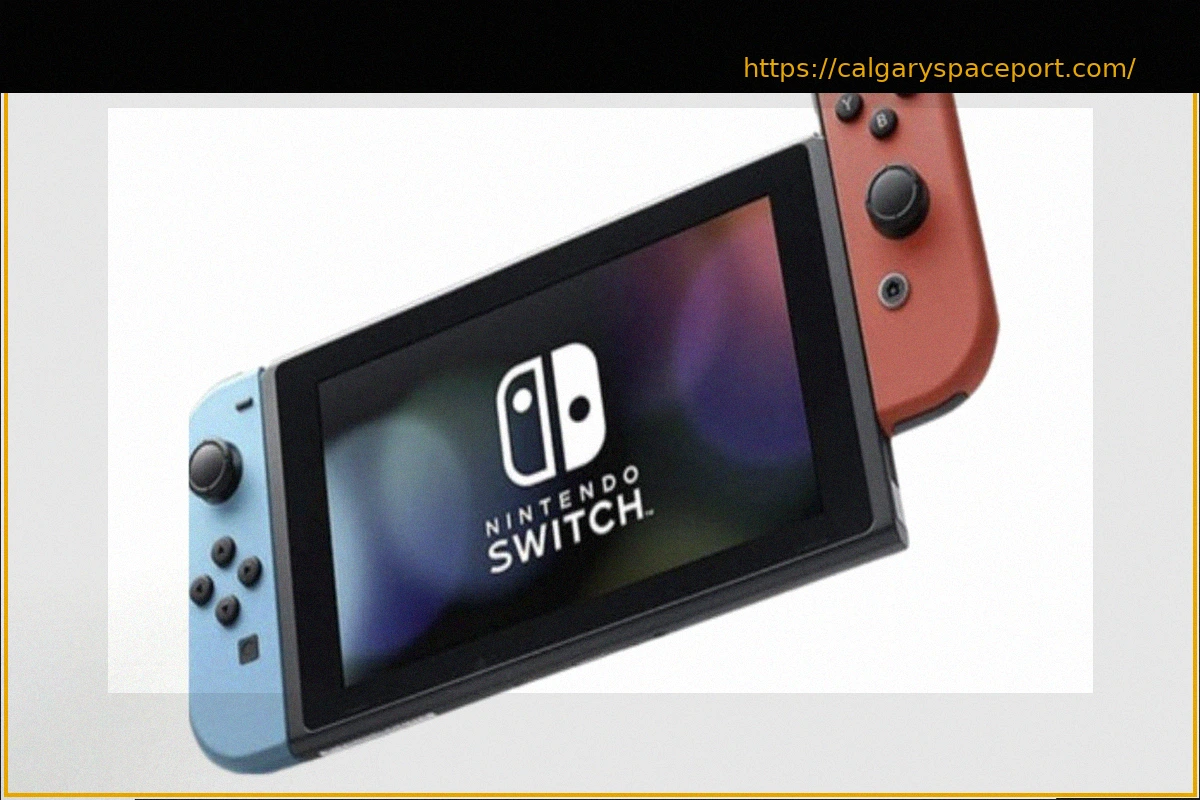
The upcoming Nintendo Switch 2 is poised to revolutionize the portable console experience, particularly for European users. Reports from Japan indicate that Nintendo is developing a specific version for the European market that will allow users to independently replace the battery, bypassing technical assistance. This significant change isn’t a spontaneous corporate decision but a regulatory obligation set to reshape the entire industry.
Historically, replacing a portable console’s battery has been a cumbersome process, often requiring costly professional assistance, lengthy repair times, or even a complete device replacement. The new approach aims to overturn this. The future European Switch 2 is expected to offer direct access to the battery, with a design safe even for non-expert users.
Furthermore, this change extends to the iconic Joy-Con controllers; these too will need to be redesigned to allow battery replacement without specialized technical intervention. This is far from a minor detail, as it addresses one of the most critical aspects of consumer electronics: the long-term durability of devices.
Behind the Change: European Influence
Nintendo isn’t adopting this solution due to a commercial strategy but rather a clear mandate from the European Union. This stems from two key directives: the “Right to Repair” initiative and the new “Battery Regulation,” which compels electronic device manufacturers to guarantee user-replaceable batteries by 2027.
Essentially, products like smartphones, tablets, and consoles must be designed for easy repair, without requiring specialized tools for disassembly or sending them off for service. For European consumers, this marks a paradigm shift: less dependence on technical centers, greater autonomy, and, crucially, a reduction in waste.
The issue of battery life has long been a talking point for portable console users. Even with the original Switch 2’s anticipated launch, many users discussed its longevity and wear over time. This is precisely where the new version could make a difference. A user-replaceable battery not only extends the console’s lifespan but also makes it more economically sustainable: instead of replacing the entire device, users can simply swap a single component.
A Domino Effect Beyond Europe?
According to sources, similar modifications might eventually reach other markets like the United States and Japan, but only if local regulations move in a similar direction. For now, Europe remains the primary testing ground for this transformation, where the effects of a policy aimed at combating planned obsolescence will first be seen.
Meanwhile, Nintendo continues to enhance the software side. A recent update has brought the console to version 22.0.0. Among the most notable new features is the “Handheld Mode Boost,” designed to improve the performance of some older titles when playing in portable mode – an optimization aimed at enhancing the user experience without requiring additional hardware.