

“`html
The announcement of Pokémon Champions undoubtedly sparked excitement among fans, promising a game solely focused on online battles. The vision was of pure, unadulterated action, devoid of lengthy storylines, gym badge collection, or intricate criminal syndicates. Instead, the hope was for a dedicated Pokémon stadium or coliseum experience. However, for those who harbored such expectations, the reality of Champions may prove disappointing. This title struggles to live up to its name, leaving one to question its fundamental purpose.
The game feels caught in a peculiar temporal paradox: it seems both dated and incomplete. On one hand, its release on the original Nintendo Switch, with its 30 FPS performance, suggests it’s a product of a bygone era. While a free Switch 2 update is available, it too remains capped at 30 FPS. On the other hand, the game suffers from a noticeable lack of content and a smattering of bugs, indicating it could have benefited from further development time.
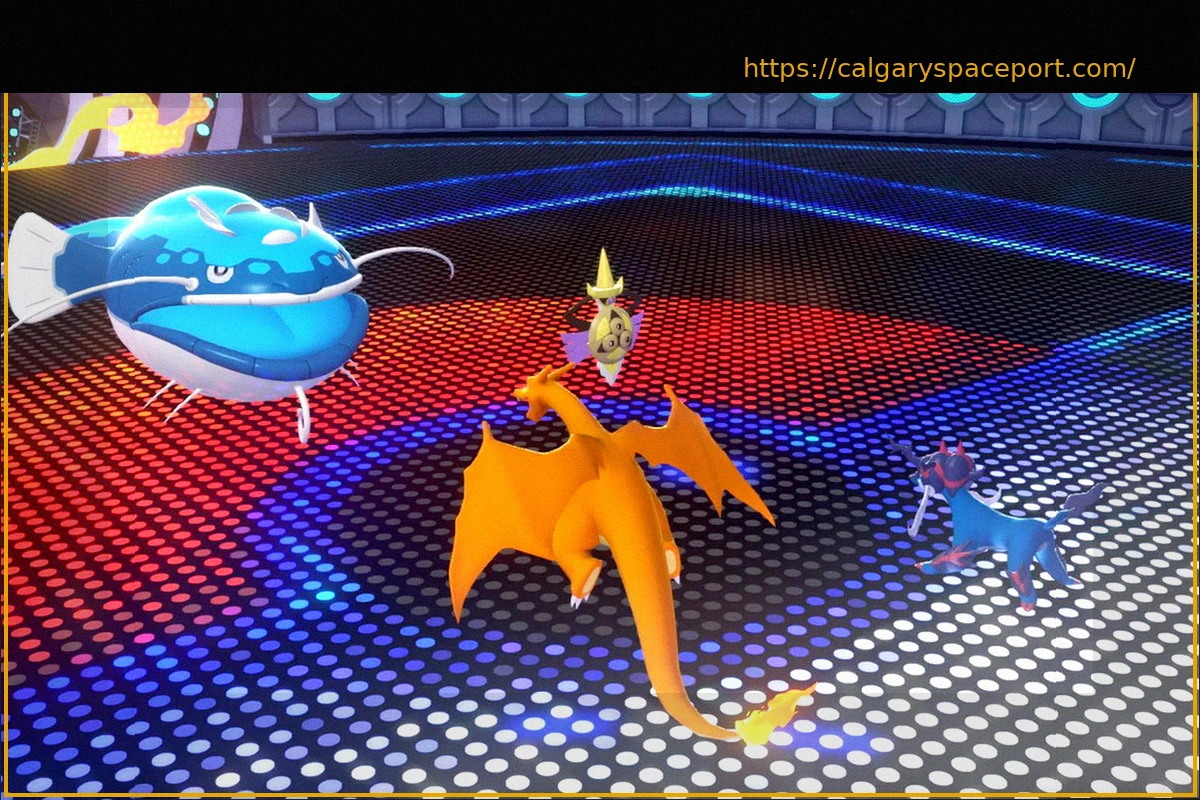
A significant point of contention is the limited roster of Pokémon. With only 186 available out of a staggering 1,025, the selection is even smaller than that of the 26-year-old Pokémon Stadium 2, which boasted 251. This scarcity leads to highly predictable team compositions as players climb the ranks. A core group of Pokémon—including Mega Charizard, Whimsicott, Sneasler, Incineroar, Mega Glalie, Rotom (Wash), and Kingambit—frequently populate nearly every team. While lower ranks like Poké Ball and Great Ball might offer some variety due to a more diverse player base, the meta becomes remarkably restrictive in Ultra Ball and above. Compounding this issue is the severe omission of numerous “held items,” crucial for competitive play. These items grant Pokémon various stat boosts and effects, such as HP regeneration or increased attack power. Notably absent are staples like the Flame Orb (which counters the Poison-healing ability), Black Sludge (for Poison-types), Choice Scarf, Assault Vest, and Life Orb. While veterans of competitive Pokémon battles will recognize these absences, it could be argued that this forces players to explore fresh strategies and team compositions.
Battles in Pokémon Champions can be engaged in either one-on-one duels or two-on-two matchups, each with its own distinct ranked ladder. For solo battles, players bring a team of six Pokémon and select three for combat, which are then deployed sequentially. The two-on-two mode adheres to official tournament rules: a team of six is chosen, and four are designated for battle, with the first two being sent out simultaneously. This differs from the more open team usage seen in games like Scarlet & Violet, where all six Pokémon can be utilized within a single friendly match. In Champions, all participating Pokémon are set to level 50, irrespective of their original levels. Beyond online rankings, the game features regular tournaments, unranked matches, and the ability to host private battles via unique ID invitations.
The central question for experienced Pokémon players is the game’s appeal when compared to the robust competitive options already available in Scarlet & Violet. Champions offers little in terms of new mechanics, essentially presenting a stripped-down experience. The inclusion of Mega Pokémon is a notable difference, though the absence of Terastallization is striking. While these features might be added later, the current offering feels basic, perhaps rushed to coincide with Pokémon’s 30th anniversary. The simple answer to why players *must* engage with this game is its official designation as the game for this year’s Pokémon World Championships VGC.
However, Game Freak and the Pokémon Company deserve credit for crafting an excellent entry point into competitive battling for newcomers. The game is “free-to-start,” allowing immediate access to a continuous stream of matches without the need for an online subscription. The seamless transition from one battle to the next, with the option to reuse the same team, makes for an efficient and engaging experience. This accessibility is particularly beneficial for players who may have come from Pokémon Go and lack the latest mainline games. Furthermore, the ability to import Pokémon from Go via Pokémon Home is a significant draw, preserving nicknames, titles, moves, and other details at no in-game cost.
The “free-to-start” aspect quickly transitions to a monetized experience when acquiring new Pokémon. Beyond importing, the primary method of obtaining monsters is through a gacha system, which requires in-game currency or special coupons. Players receive one free pull every 22 hours, presenting a choice of ten random Pokémon. These can be recruited for a seven-day trial or permanently using premium currency or coupons. Expediting this process or obtaining additional pulls before the 22-hour cooldown necessitates spending premium currency or coupons, which can also be earned through gameplay by participating in matches and completing daily or weekly missions. Customizing a Pokémon’s attacks or attributes further requires additional currency or coupons. For those seeking a streamlined experience, a Premium Battle Pass and subscription are available. The Battle Pass offers seasonal rewards, while the subscription provides various bonuses. One particularly noteworthy, and arguably absurd, benefit is the drastic increase in Pokémon storage: from a meager 30 (with a small additional allowance for higher divisions) in the base game to a generous 1,000 slots with a subscription. The subscription also unlocks the ability to create 15 teams and access exclusive missions for rewards.
The potential of Pokémon Champions is a pertinent question. Currently, the game suffers from a significant lack of content. However, if the playable Pokémon roster is expanded, and mechanics like Terastallization, Gigantamax, or even the long-forgotten Z-Moves are introduced, the game could offer much greater depth and variety. The crucial question remains: will the current, presumably massive, player base persist until these potential enhancements materialize? For now, the novelty and free-to-play model are the primary draws. Once the initial allure fades, it remains to be seen if more than just the hardcore fan base will stick around. In its current state, Pokémon Champions serves as a commendable introduction for newcomers, but seasoned veterans may find themselves longing for more.
“`