

Sonic the Hedgehog has recently experienced a significant revival in popularity, harking back to his glory days in the early 1990s. During that era, particularly in the United States, Sonic briefly eclipsed iconic figures like Mario and Mickey Mouse in recognition among American children. However, the subsequent two decades saw the blue blur struggle for relevance, with little to celebrate beyond the Sonic Adventure titles for the Dreamcast.
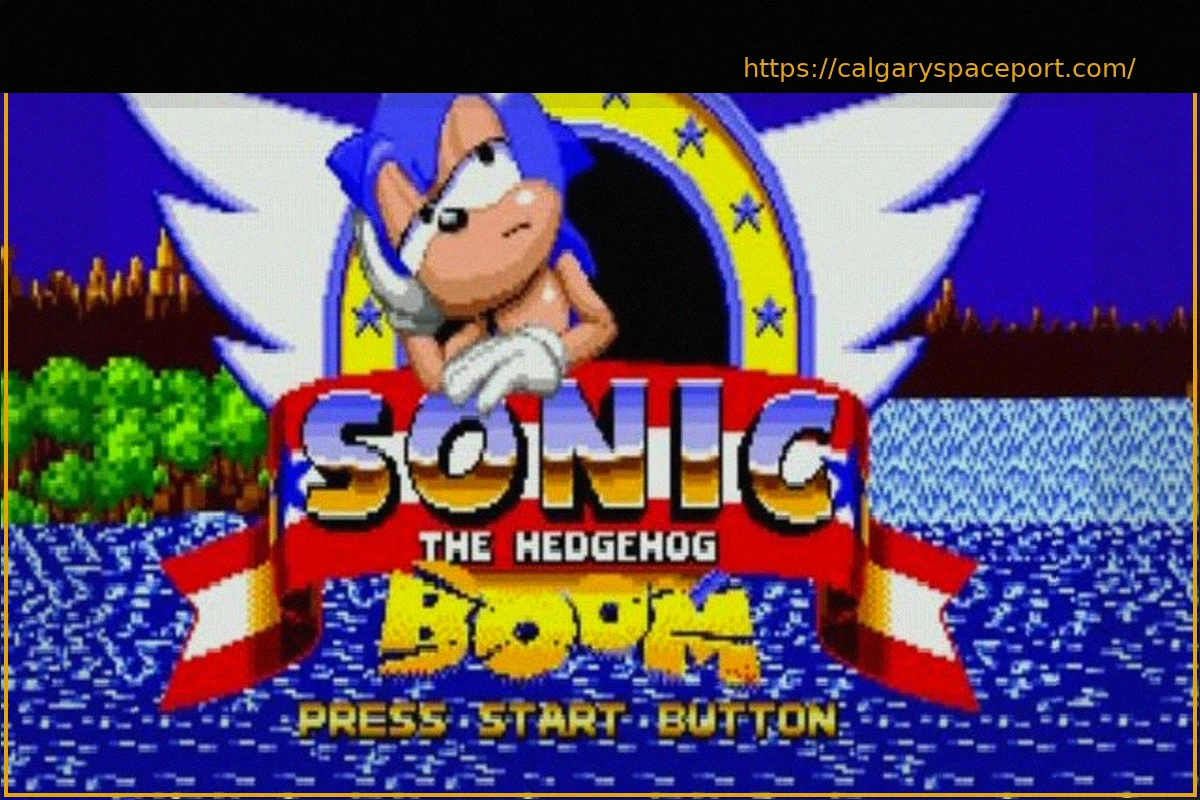
It’s easy to overlook that a mere twelve years ago, Sega was on the verge of driving the character into irrelevance once more. At that time, they embarked on a major cross-promotional venture with Nintendo for Sonic, encompassing a TV series, merchandise, and, naturally, video games. This ambitious project was dubbed “Sonic Boom.” However, its momentum quickly stalled due to the disastrous (or, at best, mediocre) reception of its initial games: Sonic Boom: Shattered Crystal for the Nintendo 3DS and Sonic Boom: Rise of Lyric for the Wii U, both released in 2014. The concept was ultimately shelved after Sonic Boom: Fire & Ice in 2016 also garnered unflattering reviews.
Today, Sonic has emphatically bounced back, spearheading a significant comeback with critically acclaimed titles such as Sonic Mania, Sonic Frontiers, and the recent Sonic Racing: Crossworlds, alongside the hugely successful film adaptations. Yet, the question remains: how did things go so awry with Sonic Boom?
Chris Senn, who was involved in the games’ development, shed light on the executive team’s disconnection from reality and the chaotic environment within the project:
“Nintendo and Sega were constructing this enormous launch plan where our game would be tied to another game being made, which would be tied to a TV show, which would be tied to a brand new toy line. They hadn’t designed the toys, so we were designing the game, and they’d come back with ‘Well, could you add these vehicles to the game?’ And we were like, ‘Dude, we’re shipping the game in six months. How could we?’ We tried to work with a lot of competing demands and requirements while running out of time. If the decision hadn’t been made to make that game what it ended up being — bugs aside — I don’t know if the game would’ve shipped, honestly.”
Tragically, it also appeared that Sega had entirely lost sight of what fundamentally defines Sonic, leading to an approach that directly contradicted everything the character truly stands for:
“We were about six months out from shipping, and prior to that, I had brought up, ‘Where’s the speed in our game?’ I was seeing a lot of combat being developed, puzzles, but where’s the speed? The reaction I got was unanimous: ‘Well, we’re not making a classic Sonic game.’ And I was like, ‘Yeah, but this is Sonic. How are we going to deliver something without speed?’ At one point — I’m not kidding — one of the pitches for that game was, ‘This will be the slowest Sonic game ever.'”
In essence, this was akin to developing a Mario game without the ability to jump. This misguided vision ultimately resulted in a concept that never truly found its footing and was prematurely scrapped. However, it also starkly illustrates Sega’s palpable desperation during that period – a desperation that only subsided once they finally rediscovered their path by allowing Sonic to genuinely be himself.