

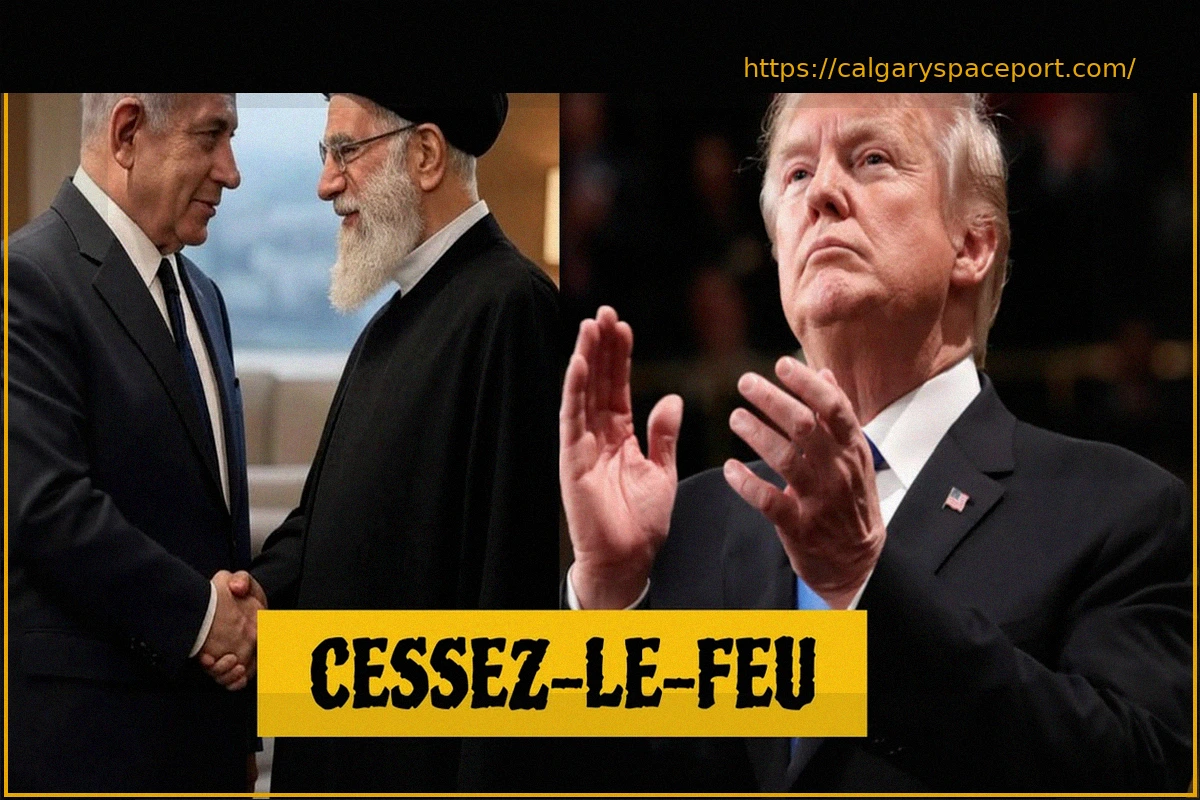
President Donald Trump has agreed to a two-week ceasefire with Iran, a significant step back from his earlier declarations of potentially ‘destroying an entire civilization.’ This temporary truce, facilitated by Pakistani Prime Minister Shehbaz Sharif, is contingent upon Iran’s commitment to fully reopen the critical Strait of Hormuz, a vital route for global oil shipments. Both Washington and Tehran have expressed a willingness to pause hostilities and engage in diplomatic discussions.
Trump characterized the agreement as a ‘two-sided ceasefire,’ asserting that U.S. military objectives had already been achieved and suggesting the possibility of a broader peace accord. Iranian officials, conversely, presented this development as a strategic triumph, maintaining that their conditions had led to this pause in aggression.
Despite the announced agreement, reports of missile fire shortly after indicate that fighting has not entirely ceased, and regional tensions remain elevated. Nevertheless, markets reacted positively to the news, with a noticeable drop in oil prices and an overall improvement in investor sentiment.
As President Trump stated on social media regarding the agreement:
“Based on conversations with Prime Minister Shehbaz Sharif and Marshal Asim Munir, of Pakistan, in which they asked me to suspend the destructive force sent tonight to Iran, and subject to the Islamic Republic of Iran agreeing to the COMPLETE, IMMEDIATE, and SAFE OPENING of the Strait of Hormuz, I agree to suspend the bombing and attack of Iran for a period of two weeks. This will be a two-sided CEASEFIRE!”