

Out of curiosity, I recently looked up the order details for my first robot vacuum. I purchased it in August 2020, and it has faithfully served me ever since, through years in a house in Oslo and then in an apartment after I returned to Sweden. It has performed a tremendous amount of cleaning over all this time, and I lovingly named the old workhorse R2-D2, because, as anyone who owns a robot vacuum knows, it absolutely needs a name.
However, like with all technology, progress marches on. Even though that particular Roborock model was cutting-edge when it launched a little over six years ago, much has changed. Primarily, automatic base stations weren’t as common then as they are today, where they are a standard feature on the slightly pricier models from most manufacturers. So, this kind of upgraded model was sent to me for review, and my R2 has since moved on to its little brother’s place, where I hope it will continue cleaning floors for a good while longer.
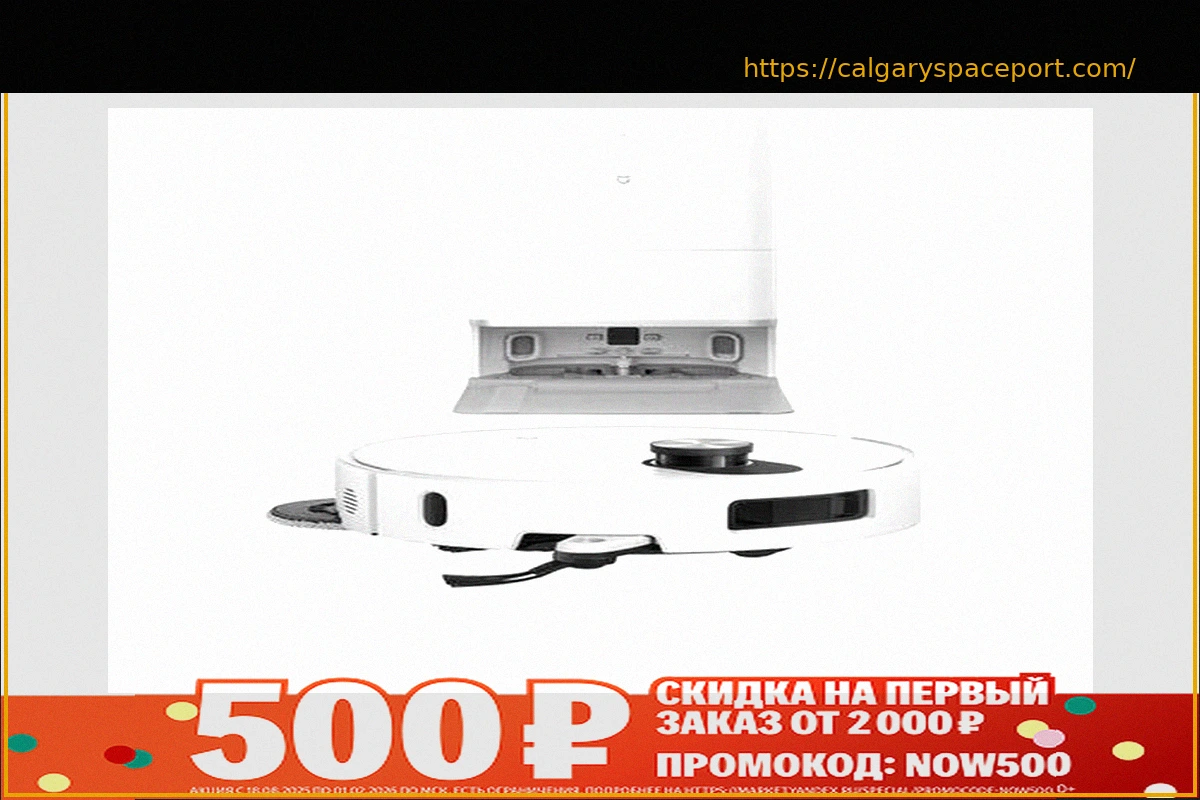
You quickly grasp the substantial size of a model like this, with its station housing water tanks and other components, once you get it in hand. “It looks like a toilet” is a common comment I’ve heard from quite a few people when they first laid eyes on it. Of course, there’s not much you can do about the significant footprint given its internal contents. Inside, there are two four-liter water tanks (one for clean water and one for dirty water), along with a 2.5-liter dust bag. This capacity is ample, but its actual duration depends entirely on cleaning frequency and house size. Nevertheless, it quickly becomes clear that these integrated water tanks and the dust bag make it an incredibly convenient solution for anyone who wants to avoid emptying it after every single clean. Naturally, it will need attention sooner or later, but compared to having to empty a small container after each vacuuming session, this feels incredibly luxurious.
The base station is large and not particularly attractive or discreet, but with its generous water tanks and dust bag inside, it’s a necessary evil.
The first thing I noticed was that I used the mopping function far more often than with my old Roborock, simply because it works so effectively that you can simply let it handle everything itself. It cleans (both the floors and the mop pads after each cycle), empties dirty water, and then refills with fresh water. All this automation is truly wonderful, and you quickly get spoiled. The same goes for the dust collector itself, which you don’t have to worry about emptying. The container inside the vacuum is quite small, but it self-empties into the station’s larger bag whenever needed. However, you only receive one of the included vacuum bags, and it’s not designed for multiple uses. Here, they could have certainly been more environmentally conscious and instead provided a larger, reusable plastic container that could easily be emptied.
The 20,000 Pa suction power is incredibly impressive on paper, and after using it in the kitchen, living room, hallway, and bedroom on various floor types and carpets, I feel like my home has never been so immaculately clean. You can adjust everything from cleaning efficiency and thoroughness to suction power, and whether it vacuums, mops, or performs a combination of both. The accompanying app is very user-friendly, although it unfortunately tends to require restarting occasionally to update its location. When the Robot Vacuum 5 moves across the floor, it picks up dirt virtually without a hitch. However, there’s one area where it isn’t entirely effective: corners. I spotted a few crumbs left here and there, and noticed some dust under a shelf where it should really reach with its extendable brush. While this is a minor quibble, it’s the only thing preventing me from giving it a perfect score.
The rotating mop pads lift automatically when the robot vacuum detects a carpet.
Even though the vacuum lowers its top-mounted radar to pass under low furniture, it’s a bit particular in a way I never experienced with my previous model. The brush, mounted on a small arm, is designed to reach into corners, but as I mentioned, I occasionally found some dust or crumbs upon closer inspection. Nonetheless, I find that carpets come out incredibly clean and the floors as a whole are very well maintained. Thanks to its integrated cameras, I also find that it intelligently navigates around objects that might be left on the floor. I’ve now “optimized” my home specifically for the robot vacuum, so I don’t have loose cables on the floor. In fact, it’s usually just a coffee table that I need to move if I want the rug in front of the TV to be fully vacuumed. But I imagine it’s quite convenient for families with children not to have to pick up socks or toys from the floor every time you want to start it. When I tried placing objects on the floor, the vacuum simply navigated around them smoothly.
During the weeks I tested it, it only got stuck twice. As the mop pads are like two rotating round discs, one of the discs got caught under a rug’s edge and detached, which the vacuum politely notified me about. All notifications display seamlessly on the app, and when it was time for the first trip to refill the clean water station and empty the dirty water, a notification also appeared. Additionally, a light on the dock station flashed as a handy reminder when I walked into the living room a bit later. Overall, the mop pads are significantly more effective than the cloth-type found on simpler models. They also extend a few centimeters to wipe along baseboards.
The Robot Vacuum 5 can lower its top-mounted radar to fit under low furniture.
These are truly only minor issues preventing a perfect score. After a final comprehensive test before writing this review, I walked around the house and scrutinized it with a very critical eye. I spotted a few crumbs right at the edge under my sofa, and discovered some dust bunnies right against the wall under a bookcase. So, even if the extendable arm brush should reach corners, the cleaning isn’t always 100% perfect. However, you tend to notice these small imperfections more, unlike with a manual vacuum where you generally just pick up what you can see. Near my oven, for example, there’s a small gap near the floor where crumbs tend to accumulate. With a traditional vacuum, you can simply use the crevice tool to get rid of them, but here, it’s simply a blind spot that a robot vacuum cannot handle.
Despite a few forgotten crumbs, I am extremely satisfied with everything, from the impressive suction power that leaves carpets sparkling clean to how the wet mopping keeps floors spotless. The fantastic automatic docking station has been a pleasure to use and has worked absolutely brilliantly; after almost three weeks of daily use, I’ve only had to empty/refill the water once, and the dust bag is barely half full.