Europe Steps Up Fight Against Absenteeism as Costs Become 'Unsustainable'
A debate that has been simmering for some time has intensified, particularly after Germany announced a tougher stance on absenteeism last week. Now, both political camps in Spain are joining the discussion, offering different perspectives and approaches to what is a growing concern across Europe.
On one side, Spain is preparing to enhance monitoring of repeated sick leave. Following recommendations from the fiscal watchdog AIReF, Pedro Sánchez's government plans to increase oversight of employees who take two or more periods of sick leave per year. This measure comes in response to a nearly 60% surge in temporary incapacity cases since 2017.
On the other side, the opposition PP party advocates for a much firmer response. The party leader, Alberto Núñez Feijóo, has described absenteeism as a "cancer" and stated that if his party comes to power (with the next elections scheduled for next year), he will seek to implement reforms aimed at reducing the salaries and benefits of absent workers, "with or without" the agreement of unions and employers. This has sparked significant controversy in the country.
The core of the debate lies in identifying the reasons behind this substantial increase. Employers and the PP point to costs, alleged abuses or fraud, and the limited ability of companies to challenge dubious sick leave. In contrast, unions and the government argue that this rise is linked to an overburdened healthcare system, an aging workforce, and post-pandemic mental health issues, rather than simply fraud. The controversy also extends to how these figures are presented and communicated to the public. Critics contend that lumping sick leave, paid holidays, and other authorized absences under the single label of "absenteeism" distorts the debate and risks portraying legitimate illness as professional misconduct.
While Spain stands out in Europe, it's not because its businesses bear the heaviest burden of sick leave costs. Spanish employers currently cover 12 days of ordinary sick leave, significantly less than companies in Belgium (around 30 days), Germany (six weeks), Austria (up to 12 weeks), or the Netherlands, where employers can pay 70% of wages for up to two years. However, these 12 days encompass both salaries and social security contributions, meaning employers may still have to pay the latter, in addition to supplements stipulated by collective agreements, for the entire duration of the sick leave. This is why employers' organizations assert that the true cost extends far beyond these 12 days. Finally, while sick leave is on the rise throughout the EU, the rate of absenteeism due to incapacity in Spain is higher than the EU average: 4.5% in 2024, compared to 2.5% across the EU as a whole.
Fresh materials — Gaming News

Halo Ring World: A Veteran's Disappointment with the "Ugly" Redesign
Marcus Lehto, a veteran from Bungie and the art director for the original Halo: Combat Evolved, who was instrumental in shaping the iconic Master Chief and the original Ring World, has voiced his dissatisfaction with the current depiction of the Ring World in Halo: Campaign Evolved. He describe
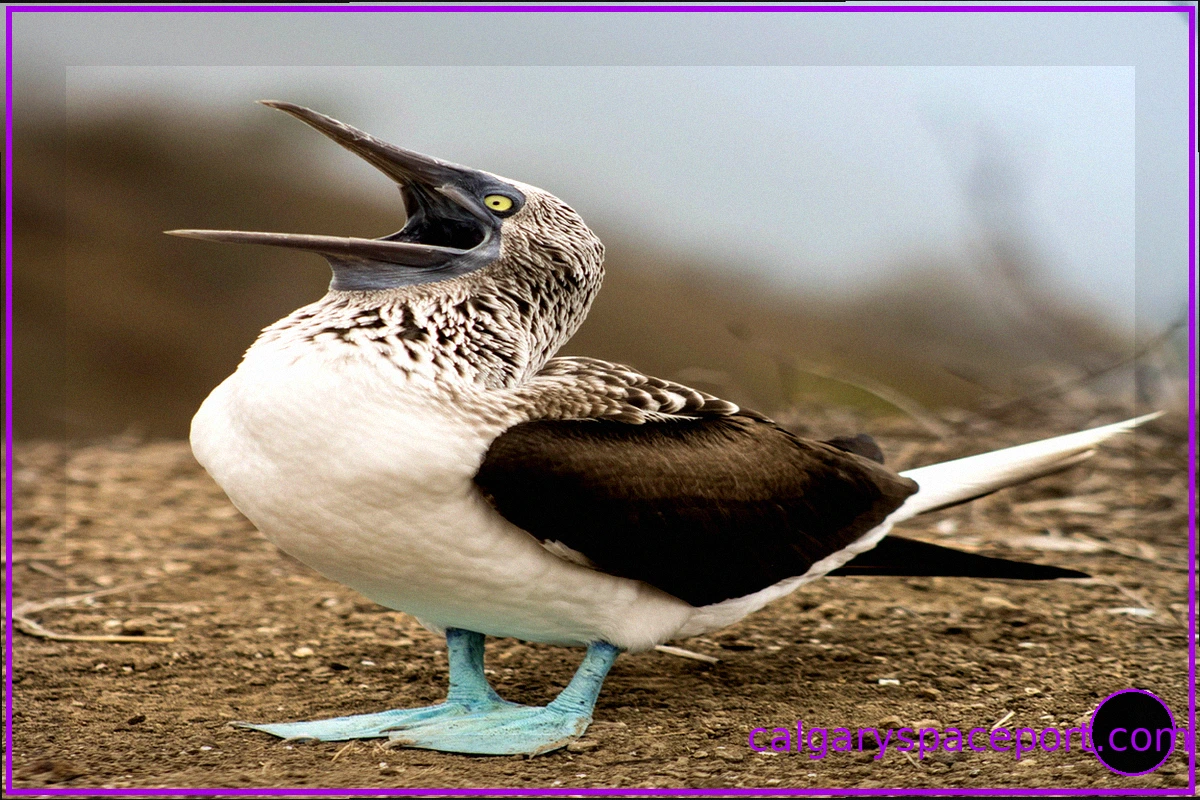
El Niño Drives South American Seabirds Further North Than Usual in Panama
Unusual numbers of seabirds are being observed much further north than their typical range in Panama, South America, as El Niño significantly disrupts their food supply. These birds, including species like the blue-footed booby, normally reside off the coasts of Peru and Chile in cold, nutrient-r
Review of "The Last House": A Thriller That Misses the Mark
Summer is often accompanied by a new streaming horror film. I discovered "The Last House" a few days before its release and, even before watching it, suspected it was a typical concept—one that could either work or fall flat. With skilled direction and a solid script, it had the potential to be
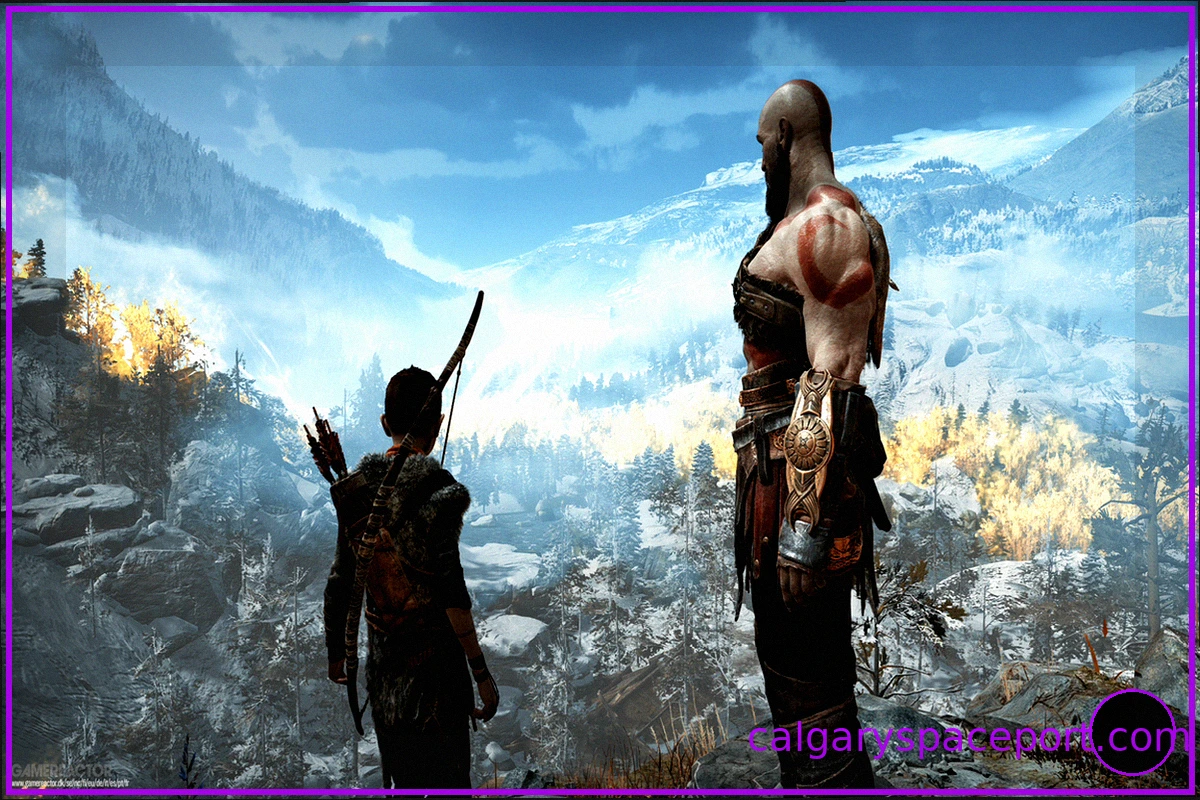
Christopher Judge, the Actor Behind Kratos, Calls for More Respect for Video Game Writers
Christopher Judge, the actor who brought Kratos to life in the 2018 game "God of War" and its 2022 sequel, "God of War: Ragnarök," has expressed a desire for video game writers and developers to receive the recognition and respect they deserve. During an appearance at FanExpo, Judge questioned
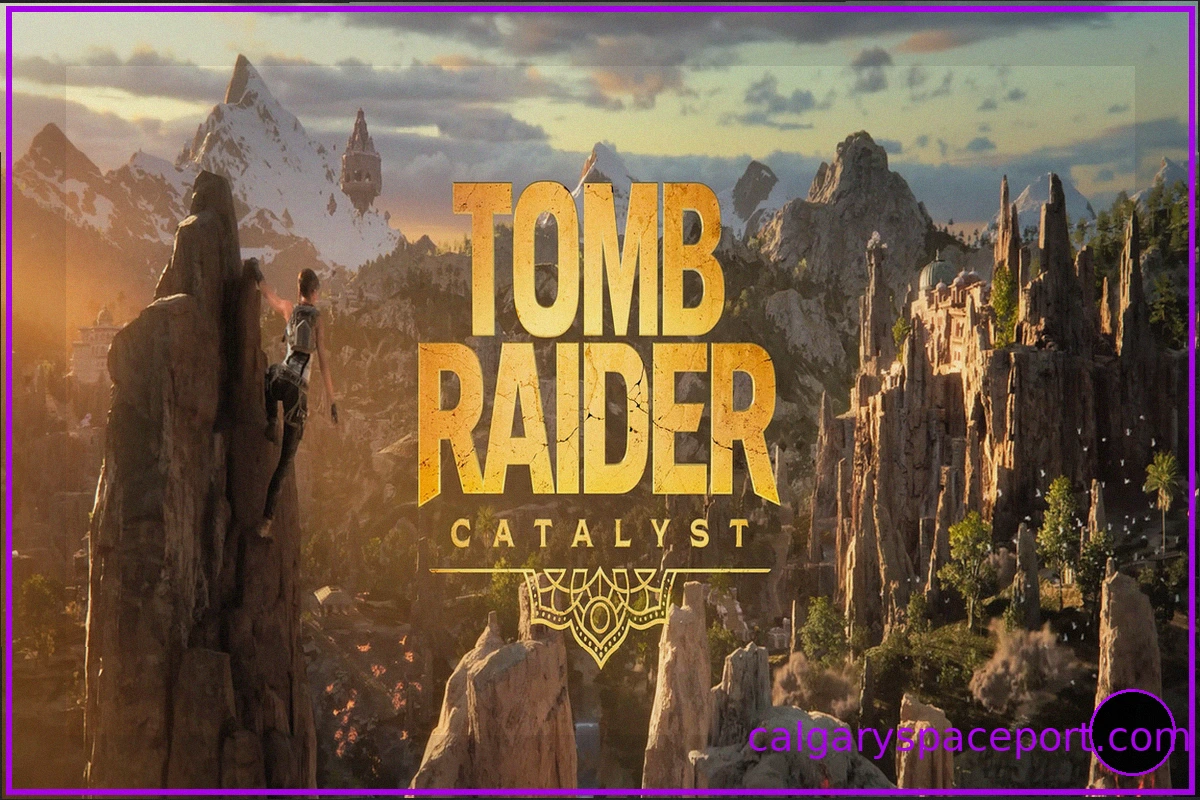
Tomb Raider: Catalyst Release Window Narrowed Down
While Lara Croft's return is anticipated next year with the release of Tomb Raider: Legacy of Atlantis on PC, PlayStation 5, Switch 2, and Xbox Series S/X on February 12th, it's clear Ms. Croft has even grander ambitions. A brand-new adventure, Tomb Raider: Catalyst, is also in development.

Halo Archive Lets Fans Relive Their Best Halo Memories, While Campaign Evolved Rekindles Nostalgia
As "Halo: Campaign Evolved" brings players back to where the legendary Xbox franchise began, nostalgia for the series' early, arguably golden years, has surged. But while fans are rediscovering that vast ring, another project offers a chance to revisit something far more personal: your own jou