Fire Emblem: Fortune's Weave - Does it Overdo It? Bring Back Classic Combat!
While I experienced *Fire Emblem: The Sacred Stones* on GBA, *Path of Radiance* on GameCube, and *Radiant Dawn* on Wii, my true initiation into the *Fire Emblem* universe was with the excellent *Shadow Dragon* on Nintendo DS. This was, remarkably, the eleventh installment in the series. These four titles were released between 2004 and 2008, marking a period approximately 20 years ago. This span is actually shorter than the time elapsed between that era and the original Japanese release on the NES in 1990. This signifies that with more recent console generations and Nintendo's and Intelligent Systems' ambition to elevate this once niche S-RPG into a mainstream J-RPG phenomenon (including for Western audiences), the series has undergone significant transformation. While its core remains the traditional medieval fantasy, turn-based, class-based combat system, a multitude of supplementary elements have been introduced, which fans who joined the franchise in the last decade now consider standard.
This context is important because my initial impression, my visceral reaction upon playing the early hours of *Fortune's Weave* on the Switch 2, was to throw my fist in the air and exclaim, "Where is my classic combat?! Stop wasting my time and give me more engaging battles!"
This sentiment might be a point of contention for long-time fans, who will need considerable patience before the game's new dynamics resonate with them, if at all. However, the franchise's signature combat is indeed present, subtly woven in and arguably better than ever. It awaits you, I promise – you just need to endure an exceptionally lengthy, bizarrely structured or "unique" tutorial that bombards you with a plethora of distractions you might easily overlook.
Or perhaps you won't? Because the approach Intelligent Systems has taken here is, frankly, likely the most effective. There are so many systems at play, so many activities, and everything is so thoroughly "RPG-ified" this time around that any other presentation method would have been overwhelmingly daunting. And even with this approach, it can still feel like a bit much!
Yet, by the time I reached the limits of what I was allowed to play and share, I felt genuinely good about it. Even knowing the game would continue to inundate me with new systems for the next ten or more hours, I felt secure and comfortable, ready to absorb them one by one.
It's hard to fully grasp at first, but the key takeaway is that you'll be able to freely explore the open area of Dagsion and also traverse the larger map beyond its confines, all in preparation for the next major engagement (in the early chapters, this means a proper demonstration battle in the Colosseum). A few unrestricted, guided missions are interspersed, but these preparations are conducted "by turns," meaning you have limited free time and must therefore plan your actions accordingly, lest you feel—or be—unprepared. It never feels overly stressful, and you'll soon have ample time to accomplish most of your desired tasks; thus, it functions more as a game progression mechanic than a demanding constraint. Consider it akin to games like the upcoming *The Blood of Dawnwalker*, where your actions consume turns and advance a clock.
Within Dagsion's walls, these actions are clearly delineated as you move to complete quests and missions to boost your renown, or perhaps to train your characters and have them dine together to enhance their stats and strength, with bonds between pairs bestowing improved support on the battlefield. Alternatively, you can worship and pray at the seven temples of various deities to gain their blessings in combat later on; or, collect and purchase gifts for the numerous recruitable characters you'll encounter in town, each with their own backstory, tastes, and preferences, in order to sway them with your prestige.
Then, you depart the city at your leisure and, much like a board game, navigate square by square to explore the surrounding regions. You'll utilize your allocated turns, engage in small skirmishes, interact with merchants, gather more materials, ingredients, and gifts, and even delve into dungeon-like areas brimming with treasure. Here, turn-based combat is also set aside for exploration-focused gameplay, with battles reminiscent of *Xenoblade* or recent *Final Fantasy* titles, where attack chains are the core mechanic.
Did I mention you can capture wild mounts, then send them to the stables to tame, ride, and bond with them, making them even more formidable in combat if your class allows? You can watch the recent "Fire Emblem: Fortune's Weave Direct" video for a wealth of other intricate details and interconnected systems, but suffice it to say, there's even more to do that I can't yet discuss. One thing is certain: the game will keep you entertained.
So, what about the combat itself? So far, it's solid, as one would expect from the series. Perhaps a bit too easy or "beginner-friendly" for the initial, say, 10+ hours? (Or was I just overpowered?) But even as a veteran, you'll need to acclimate to new adjustments, new stats, new weapons and mounts (firearms and elephants!), new strengths and weaknesses, new spectacular bonus effects and abilities, and new classes and units! (Chariot drivers!). And some of these additions are already genuinely, truly brilliant, while the game has gone to great lengths to foster personal attachment to the characters.
For me, the crucial aspect of these (many) early hours spent with *Fire Emblem: Fortune's Weave* was precisely this: assessing whether the game had retained, preserved, and evolved the quality of its combat gameplay. And for now, I can only say that I found myself wanting to replay certain battles just to experience them again.
Furthermore, I believe it already warrants localized voice acting beyond English, given the mainstream audience it aims for. It took me a moment to grasp its futuristic, Sheikah-tech-esque approach, and admittedly, it feels somewhat raw for a Switch 2 title. Make no mistake, it's still a leap forward from Switch graphics, and the characters and factions are beautifully varied in the truly excellent cinematics and combat animations. However, when you're just walking around or during engine scenes (as opposed to the stunning CGI cutscenes), it feels a bit too much like a budget *Dynasty Warriors* game, and I'm eagerly anticipating the art direction truly hitting its stride in the coming dozens of hours to compensate for this.
But thus far, its battles have captivated me, its new moves like Blaze Arts introduce novel strategic considerations, its game design and interface already appear to be the series' finest, its stories have intrigued me, its repetitive music has burrowed into my brain (and I adore the pervasive Spanish/flamenco vibe), and the chores and errands have transitioned from "oh, come on" to "okay, let's plan our week around these adorable little guys." And I haven't even touched upon the true meaning of "Weave" or the entire aspect of parallel timelines, paths, and causality hinted at in the Direct...
Therefore, rather than being a mere case of excessive padding, once you're immersed, it feels like it will evolve into a complex tapestry of activities that, provided they manage to keep us engaged and surprised, could culminate in an incredibly comprehensive tactical experience.
Fresh materials — Gaming News
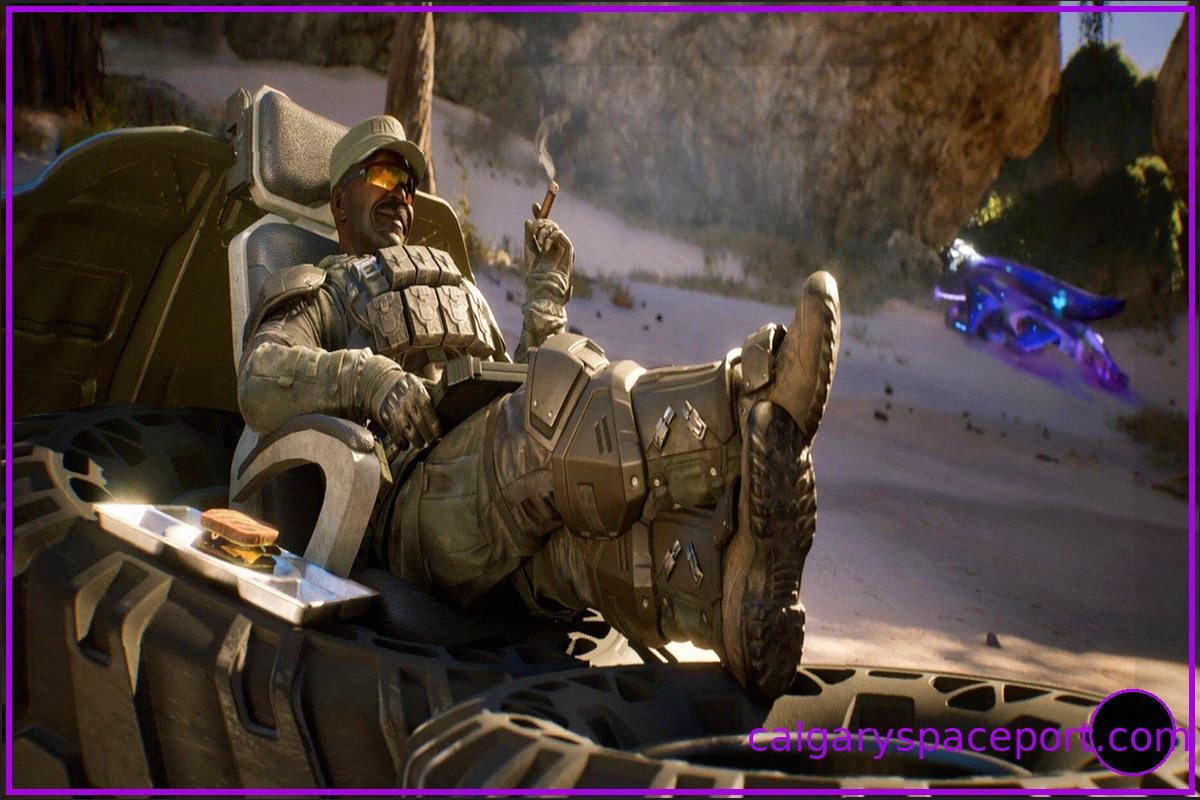
Halo Ring World: A Veteran's Disappointment with the "Ugly" Redesign
Marcus Lehto, a veteran from Bungie and the art director for the original Halo: Combat Evolved, who was instrumental in shaping the iconic Master Chief and the original Ring World, has voiced his dissatisfaction with the current depiction of the Ring World in Halo: Campaign Evolved. He describe

El Niño Drives South American Seabirds Further North Than Usual in Panama
Unusual numbers of seabirds are being observed much further north than their typical range in Panama, South America, as El Niño significantly disrupts their food supply. These birds, including species like the blue-footed booby, normally reside off the coasts of Peru and Chile in cold, nutrient-r

Review of "The Last House": A Thriller That Misses the Mark
Summer is often accompanied by a new streaming horror film. I discovered "The Last House" a few days before its release and, even before watching it, suspected it was a typical concept—one that could either work or fall flat. With skilled direction and a solid script, it had the potential to be
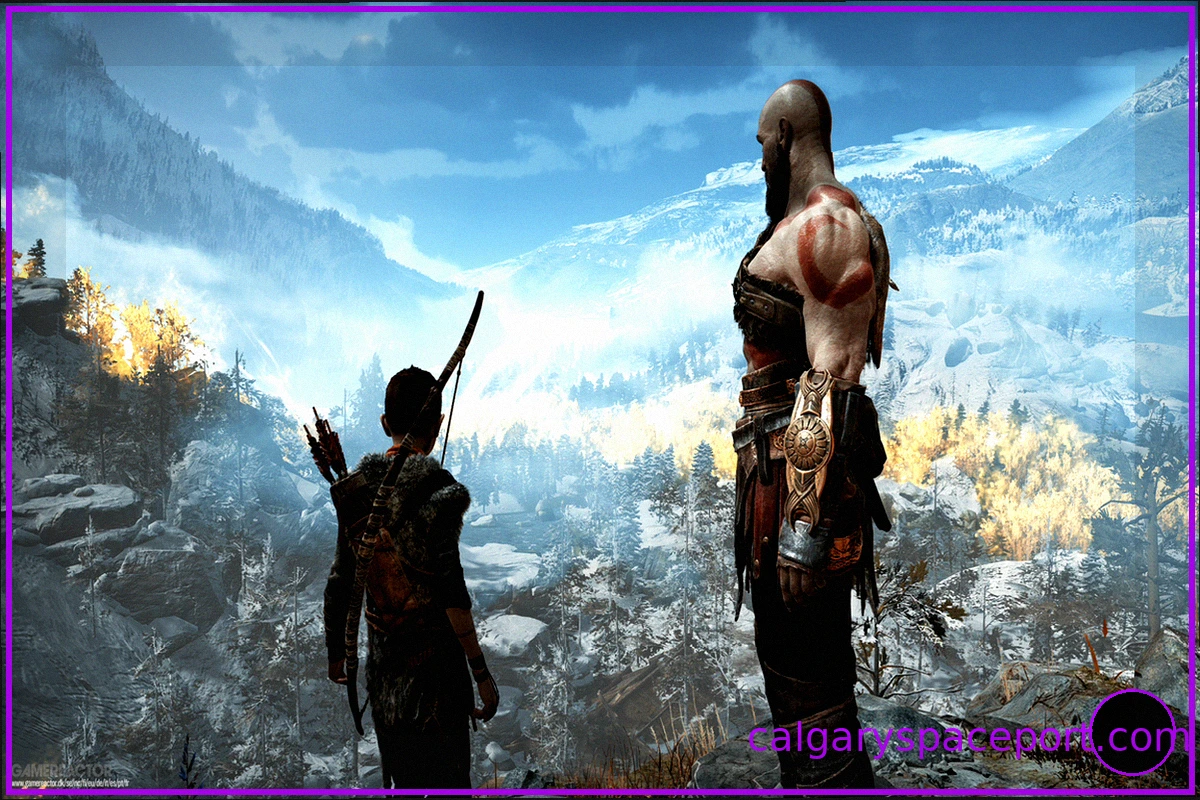
Christopher Judge, the Actor Behind Kratos, Calls for More Respect for Video Game Writers
Christopher Judge, the actor who brought Kratos to life in the 2018 game "God of War" and its 2022 sequel, "God of War: Ragnarök," has expressed a desire for video game writers and developers to receive the recognition and respect they deserve. During an appearance at FanExpo, Judge questioned
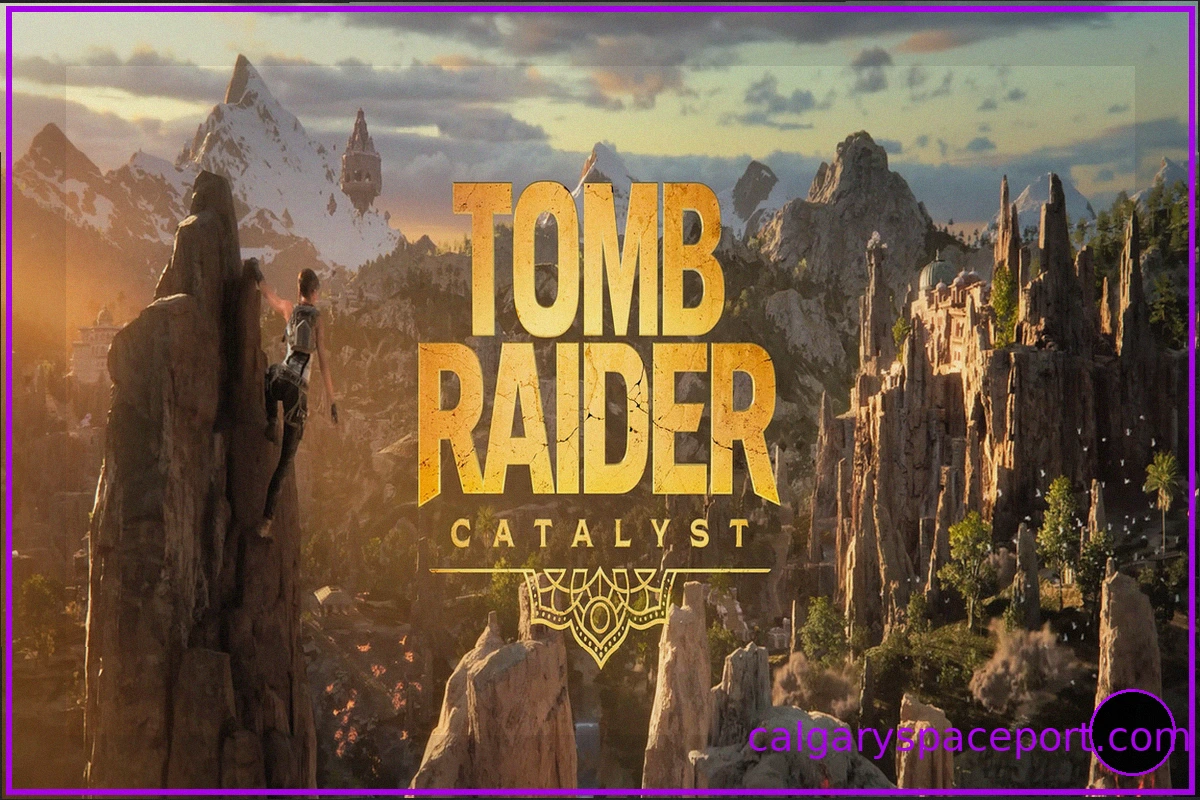
Tomb Raider: Catalyst Release Window Narrowed Down
While Lara Croft's return is anticipated next year with the release of Tomb Raider: Legacy of Atlantis on PC, PlayStation 5, Switch 2, and Xbox Series S/X on February 12th, it's clear Ms. Croft has even grander ambitions. A brand-new adventure, Tomb Raider: Catalyst, is also in development.
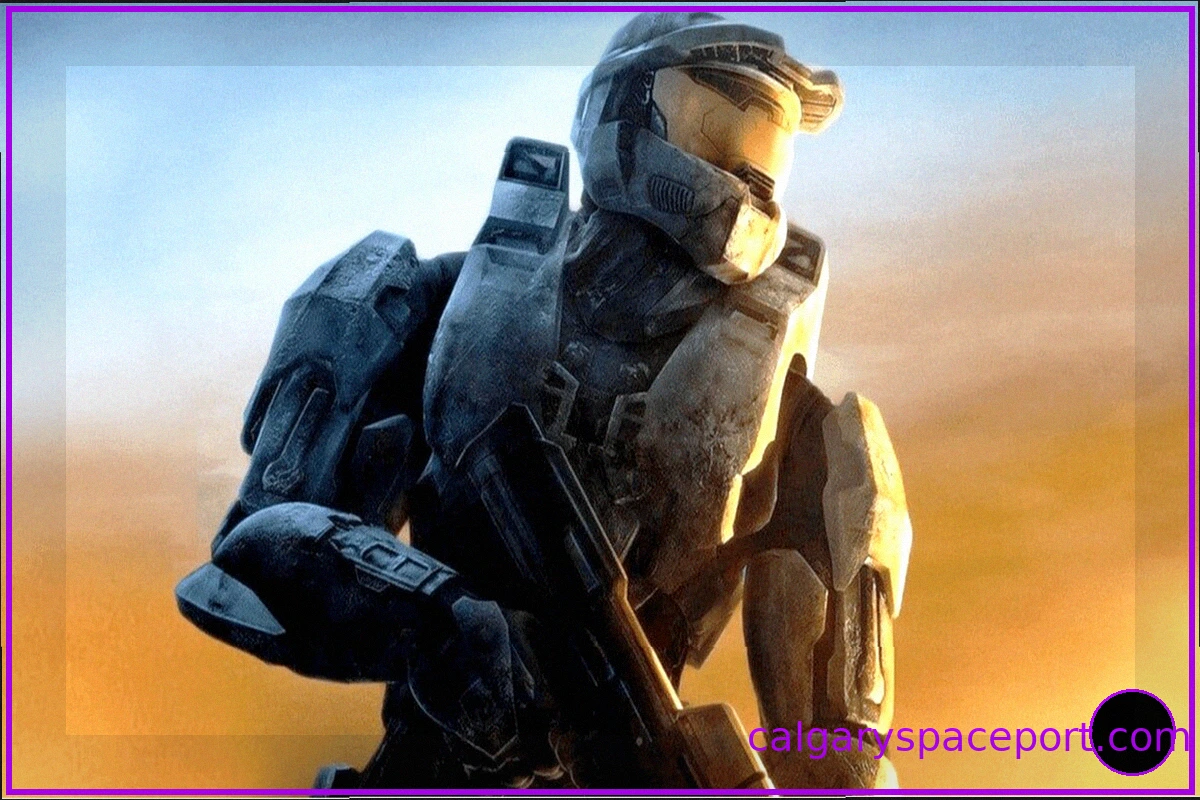
Halo Archive Lets Fans Relive Their Best Halo Memories, While Campaign Evolved Rekindles Nostalgia
As "Halo: Campaign Evolved" brings players back to where the legendary Xbox franchise began, nostalgia for the series' early, arguably golden years, has surged. But while fans are rediscovering that vast ring, another project offers a chance to revisit something far more personal: your own jou