Spanish Intelligence: Morocco Facilitated, Not Orchestrated, Ceuta Migrant Crisis
Following the recent migrant crisis in Ceuta, which saw over 60,000 individuals enter the Spanish enclave on the Moroccan coast by circumventing borders, Spanish intelligence services have concluded that while Morocco did not orchestrate the mass influx, its authorities actively facilitated it. Rabat reportedly capitalized on the international attention the event garnered, despite the confirmed drowning of 72 people at sea.
According to an analysis reported by El País, the surge in migrants – which had been escalating in the days prior before peaking on Thursday, July 30th, when thousands simultaneously entered the town of 85,000 inhabitants – was triggered by a false rumor spread through social media and messaging groups. This rumor stemmed from a recent Spanish Supreme Court ruling stating that migrants reaching Ceuta and Melilla by swimming could not be immediately expelled and were entitled to administrative proceedings.
Consequently, thousands of Moroccans, primarily young men, believed they could remain in Spain without repatriation. However, this proved untrue, and most returned to Morocco, crossing the land border on foot days after their sea arrival. A new physical barrier has since been installed at sea.
Thursday, July 30th, also coincided with a Moroccan public holiday, the Fête du Trône (Throne Day), during which border surveillance was significantly reduced and eventually lifted, allowing the crowds to pass.
Spanish intelligence suggests that Moroccan authorities were aware of the circulating misinformation on social media but took no action to prevent it. They saw it as an opportunity to damage Spain's international image and its government, with whom they are in conflict on numerous fronts. These include Spain's stance on Western Sahara (Spain recently granted nationality to approximately 70,000 Sahrawis born under Spanish administration before 1976 and their first-degree descendants) and a recent agreement between Spain and Algeria, a political rival of Morocco. Some speculate that the decision for the 2030 World Cup final host city, a joint bid between Spain, Portugal, and Morocco, is not yet finalized and could also be a reason for Morocco to exploit a political crisis in Spain, even at the cost of its citizens' lives.
Fresh materials — Gaming News

Halo Ring World: A Veteran's Disappointment with the "Ugly" Redesign
Marcus Lehto, a veteran from Bungie and the art director for the original Halo: Combat Evolved, who was instrumental in shaping the iconic Master Chief and the original Ring World, has voiced his dissatisfaction with the current depiction of the Ring World in Halo: Campaign Evolved. He describe

El Niño Drives South American Seabirds Further North Than Usual in Panama
Unusual numbers of seabirds are being observed much further north than their typical range in Panama, South America, as El Niño significantly disrupts their food supply. These birds, including species like the blue-footed booby, normally reside off the coasts of Peru and Chile in cold, nutrient-r

Review of "The Last House": A Thriller That Misses the Mark
Summer is often accompanied by a new streaming horror film. I discovered "The Last House" a few days before its release and, even before watching it, suspected it was a typical concept—one that could either work or fall flat. With skilled direction and a solid script, it had the potential to be
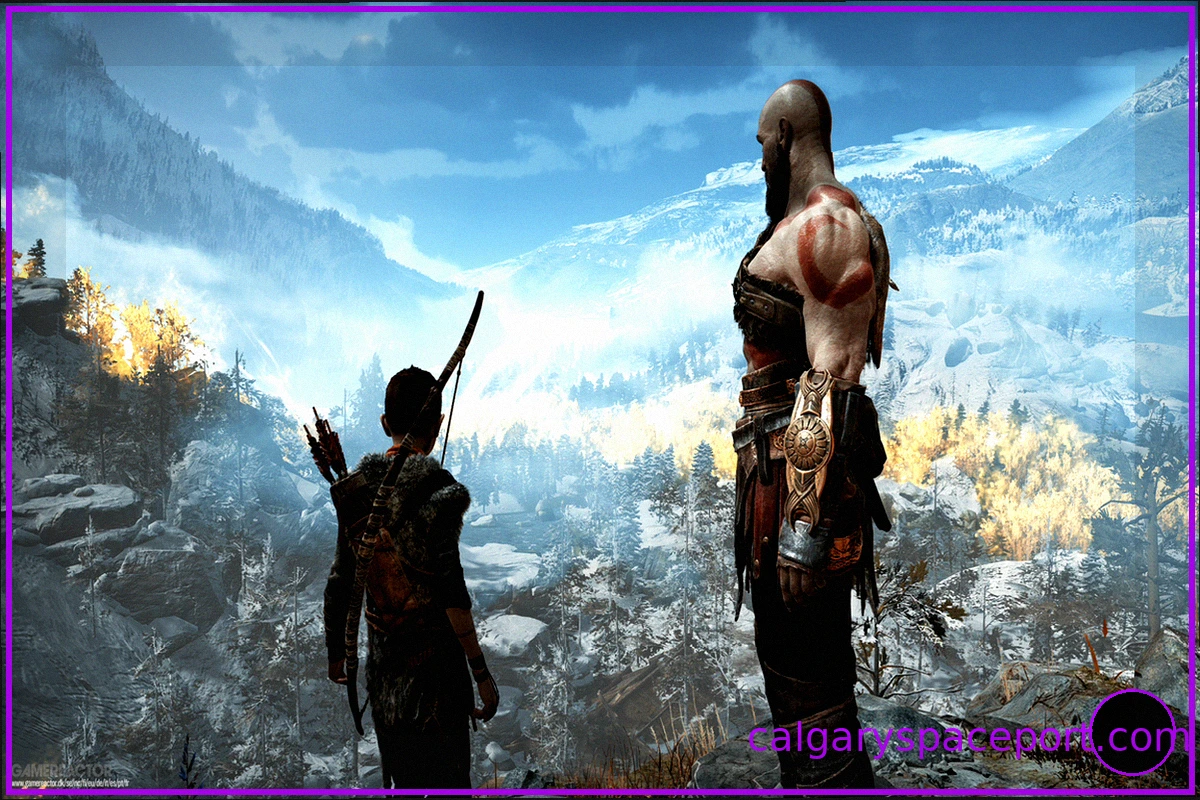
Christopher Judge, the Actor Behind Kratos, Calls for More Respect for Video Game Writers
Christopher Judge, the actor who brought Kratos to life in the 2018 game "God of War" and its 2022 sequel, "God of War: Ragnarök," has expressed a desire for video game writers and developers to receive the recognition and respect they deserve. During an appearance at FanExpo, Judge questioned
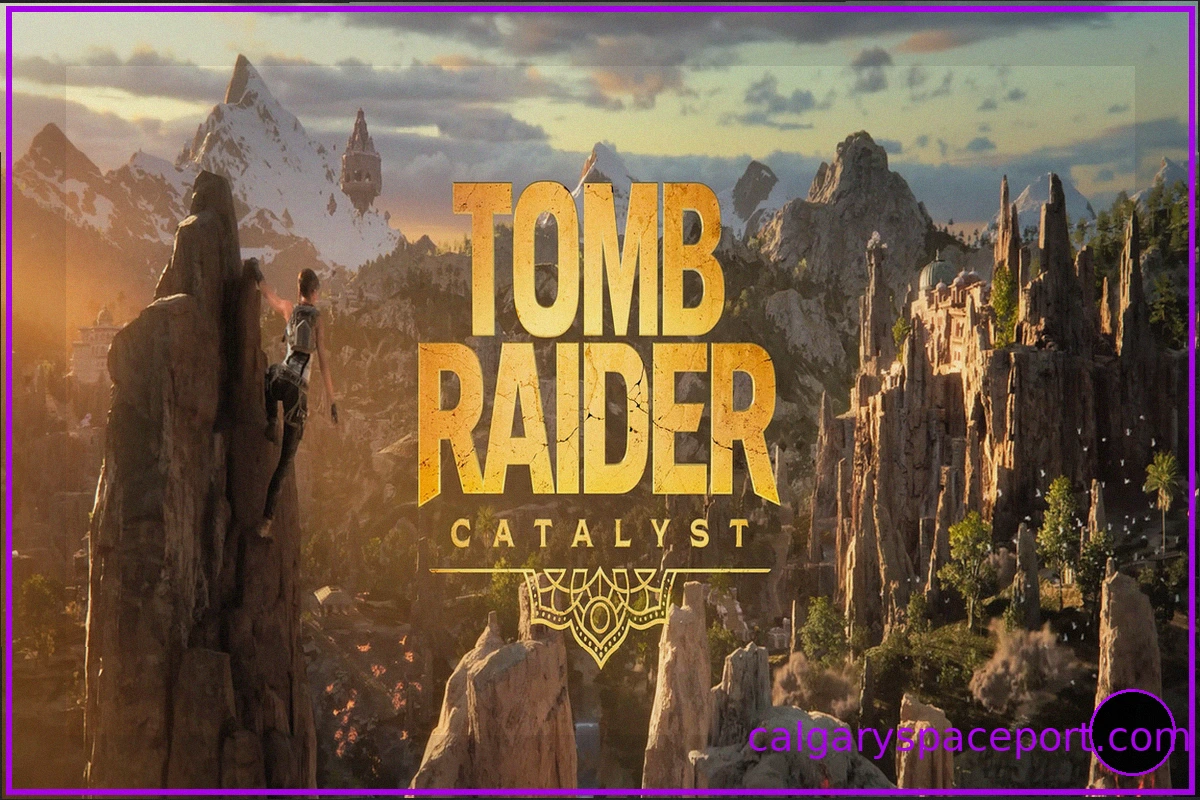
Tomb Raider: Catalyst Release Window Narrowed Down
While Lara Croft's return is anticipated next year with the release of Tomb Raider: Legacy of Atlantis on PC, PlayStation 5, Switch 2, and Xbox Series S/X on February 12th, it's clear Ms. Croft has even grander ambitions. A brand-new adventure, Tomb Raider: Catalyst, is also in development.

Halo Archive Lets Fans Relive Their Best Halo Memories, While Campaign Evolved Rekindles Nostalgia
As "Halo: Campaign Evolved" brings players back to where the legendary Xbox franchise began, nostalgia for the series' early, arguably golden years, has surged. But while fans are rediscovering that vast ring, another project offers a chance to revisit something far more personal: your own jou