Ted Chiang: Science, Fiction, and Reflection
During a recent visit to the Celsius 232 festival in Avilés, Spain, a prominent international gathering of fiction authors, we had the distinct honor of speaking with Ted Chiang, a highly regarded science fiction short story writer. This marked the 15th edition of the festival, and the first for both Gamereactor and our esteemed guest.
Amidst the festival's unique atmosphere, the profound insights shared by authors and artists, and the infectious enthusiasm of readers and fans, we engaged in an in-depth conversation with one of the most influential science fiction authors of the past two decades. Our discussion spanned adaptations, interactive storytelling, generative AI, the writing process, and the timeless value of fiction as a mode of thought.
Gamereactor: Many of your stories begin with a scientific or philosophical concept, yet readers often remember the emotional impact most vividly. When you begin writing, do characters come first, or the idea?
Ted Chiang: For me, the concept comes first. I believe science fiction is a powerful way to explore philosophical questions. When philosophers discuss these issues, they can seem very abstract, making it difficult for those outside the field to grasp their relevance. Science fiction allows us to envision worlds where these questions are no longer abstract but have concrete importance. You create characters who inhabit these worlds, and the answers to these questions have real consequences in their lives. If readers can connect with these characters, they will experience a more visceral understanding of why a particular philosophical question is compelling. Therefore, when I write fiction, I start with an idea but always seek to imbue it with emotional depth.
I suppose that's to anchor those ideas in the readers' hearts. *Story of Your Life* was adapted into the film *Arrival*. Did that experience change your perspective on adaptations and stories that seem impossible to translate to the screen?
When I was first approached about a film adaptation, my initial thought was: "Are you sure this is the right story?" The narrative is very internal, unfolding largely within the protagonist's mind. I would have deemed it an unsuitable candidate for a cinematic adaptation. However, after seeing the resulting film, which was excellent, I now realize I'm not the best judge of what makes a good adaptation prospect. That's the screenwriters' job. Screenwriters possess an ability to perceive what isn't immediately obvious, at least not to me. It's easy to imagine a literal adaptation, and if that were the approach, *Story of Your Life* wouldn't have been chosen. Some screenwriters have a genuine gift for seeing the unseen, for discovering a story's latent cinematic potential. I don't possess that skill (laughs).
"Story of Your Life" became "Arrival," but many readers consider your other short stories even more challenging to adapt. Are there any that you believe should remain exclusively literary, or do you think every idea can eventually find its cinematic language? Perhaps it's for them to discover?
As I've mentioned, I'm not the right person to ask (laughs). I didn't think "Story of Your Life" could be adapted, so it's not for me to decide. I would simply say that, regardless of the medium you're working with—be it prose fiction, film, animation versus live-action, or even video games and comics—you must consider the unique strengths of that medium. What does this medium allow you to do that is difficult or impossible in others? I believe the key to adaptation lies in taking a work that leverages the strengths of its original medium and then finding a way to convey the same core story or idea by utilizing the strengths of another medium. In a way, that's the challenge of adaptation. Some people write novels with the intention of them becoming films; they envision a movie in their minds as they write. These works are likely very easy to adapt. However, in doing so, these authors may not fully exploit the potential of prose as a medium because they're thinking in terms of another. When it comes to works written for the medium itself—fiction written to be fiction, without thoughts of adaptation—it presents a much more difficult adaptation challenge. This is why the adapter needs a certain talent or imagination, someone capable of bridging two different mediums.
Speaking of mediums, and not adaptations but the unique strengths of each, are video games, interactive storytelling (or even adaptive storytelling), something that appeals to you? Do you find it exciting to imagine stories that evolve based on player choices?
I am a gamer. I play video games frequently. However, I don't believe I would know how to write for a video game. One thing I often say, because people sometimes ask if I'd be interested in writing for film, is that I feel film is a language I understand but cannot speak. Cinema is a medium I appreciate, but I don't know how to express myself through it. I suspect the same applies to video games. I enjoy them as a player, but I don't think I possess the affinity for this medium that would make it my chosen outlet for expression. I find it a very interesting medium due to its interactive nature, and it stands apart from other media in that regard. As I mentioned, the ideal would be to try and tell a story for which a video game is the perfect medium. I believe one needs a genuine affinity with that medium to achieve that, and I'm unsure if that's the case for me.
Many of your works explore intelligence and consciousness. Given the recent rise of generative AI, have you shifted the questions you believe are important to ask today?
For much of science fiction's history, the concept of thinking machines or artificial intelligence has been prevalent, a recurring theme. I believe there have always been numerous intriguing philosophical questions surrounding this subject. However, what we've witnessed in roughly the last five years, with the advent of generative AI, is something distinct from what science fiction typically discussed. The questions that engaged science fiction don't really apply to the current situation. Here's one way to frame it. Previously, science fiction might have asked: "Should you entrust your decision-making to a machine?" I find this an interesting philosophical question, as the idea of a machine making better or simply different decisions than humans raises valid arguments both for and against trusting it. But today, the question is more akin to: "Should you entrust your decisions to Amazon?" I don't consider this an interesting philosophical question. I believe the answer is a clear "no, you should not." I don't see any strong philosophical arguments for handing over your decisions to Amazon. What I mean is, generative AI (the software currently labeled as AI) is not a thinking machine. It's essentially a tool for corporate power. I don't believe there are good philosophical arguments for simply being overwhelmed by corporate power. Corporations have every incentive to raise these questions about thinking machines and suggest they might think better than you. But that's not what we're dealing with today. That's not the situation we're facing. Every time they discuss these ideas, it's a smokescreen, because what truly interests them is increasing their power over individuals. Therefore, I think it's crucial to be clear-eyed about the situation we are actually in. The situation we face today is not the one that engaged science fiction in the past. The situation we face is one of resistance to corporate power.
Your books (and your answers today) rarely offer simple solutions. Do you believe fiction should leave readers with conclusions, or with better questions?
I think fiction can do both. On one level, the author likely has convictions, a position they are advocating for, and often, the fiction they write is a means of arguing for that position. It's not a requirement that in a successful work of fiction, readers change their minds to adopt that position, but if they at least understand it, that might be what the author aims for. Some works of fiction, in that sense, make an argument. They don't necessarily say, "here is the answer," but they advocate for a cause. At the same time, an author can raise questions by presenting multiple different arguments: by arguing both for and against something. For many issues, there are good arguments on both sides. A work of fiction can present both of those arguments, and by clearly laying them out, it helps readers think more clearly about the issue. Readers can then come to their own conclusions, or at least better understand why they think what they do. So yes, fiction can do both. It may not provide answers, but it can present arguments.
To conclude, during yesterday's panel, you mentioned the Clarion Writers' Workshop and how transformative it was for you. How did it shape you as an author, and what do you see as its key contribution to your creative process?
Clarion shaped me in several ways. Firstly, it confirmed that writing science fiction was what I should be doing, what I should pursue. Before that, I was beginning to doubt if it was the right path for me. Clarion also connected me with the community of other science fiction authors, which has been incredibly valuable. In a similar vein, it helped crystallize my identity by showing me which community I truly belonged to. One of the things I mentioned during the panel is that during the workshop, you will hear many readers explain their interpretation of a story. They will tell you what they took away from it. Hearing multiple authors explain their thinking about how fiction works is extremely useful because it teaches you that there are a multitude of different ways to read a story. If you work alone, you will likely focus on a single way of reading a story: yours. But people read stories in a thousand different ways. When you participate in a workshop with other authors, you are surrounded by readers who can articulate their interpretation of a work clearly, in a way that readers who are not authors might not be able to. This helps you understand all the different ways readers interpret fiction and, consequently, all the different ways fiction itself can function as a medium. For this reason, Clarion helped me immensely.
While no new works have been officially announced, based on this conversation, Ted Chiang's curiosity for storytelling, technology, and philosophy remains as vibrant as ever.
Fresh materials — Gaming News
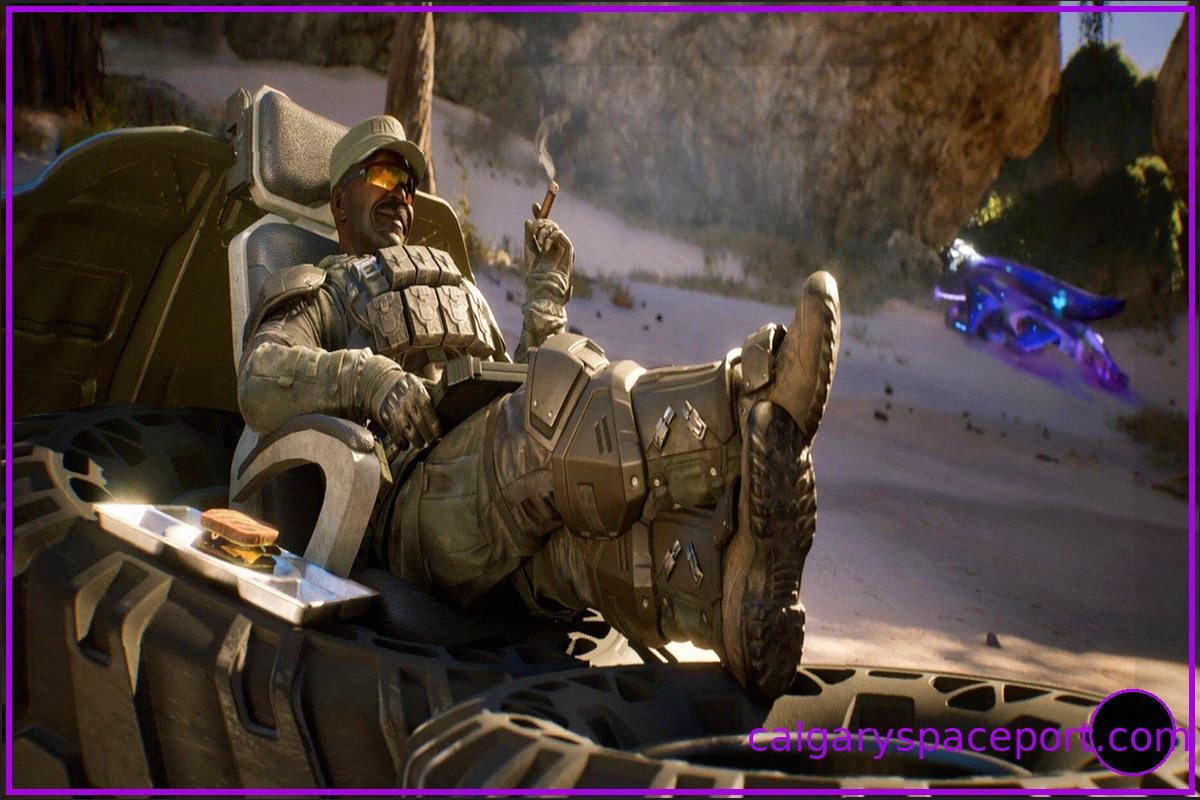
Halo Ring World: A Veteran's Disappointment with the "Ugly" Redesign
Marcus Lehto, a veteran from Bungie and the art director for the original Halo: Combat Evolved, who was instrumental in shaping the iconic Master Chief and the original Ring World, has voiced his dissatisfaction with the current depiction of the Ring World in Halo: Campaign Evolved. He describe
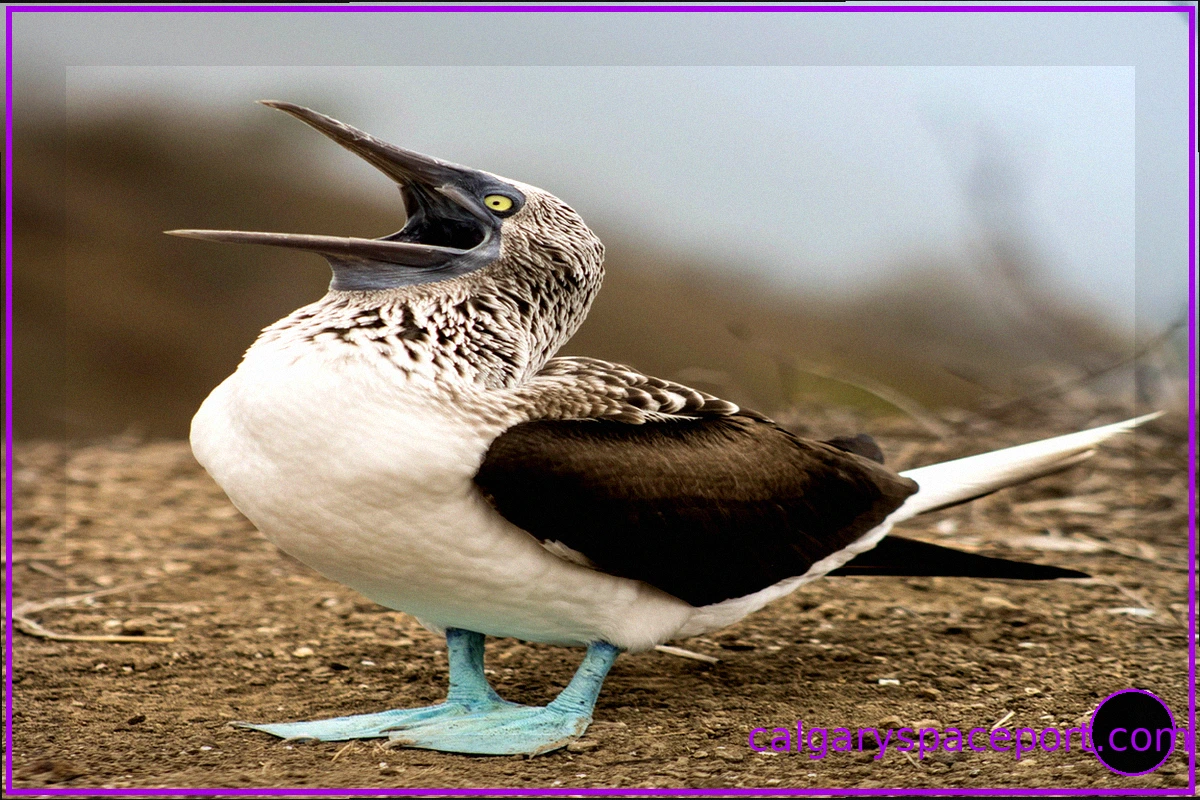
El Niño Drives South American Seabirds Further North Than Usual in Panama
Unusual numbers of seabirds are being observed much further north than their typical range in Panama, South America, as El Niño significantly disrupts their food supply. These birds, including species like the blue-footed booby, normally reside off the coasts of Peru and Chile in cold, nutrient-r
Review of "The Last House": A Thriller That Misses the Mark
Summer is often accompanied by a new streaming horror film. I discovered "The Last House" a few days before its release and, even before watching it, suspected it was a typical concept—one that could either work or fall flat. With skilled direction and a solid script, it had the potential to be
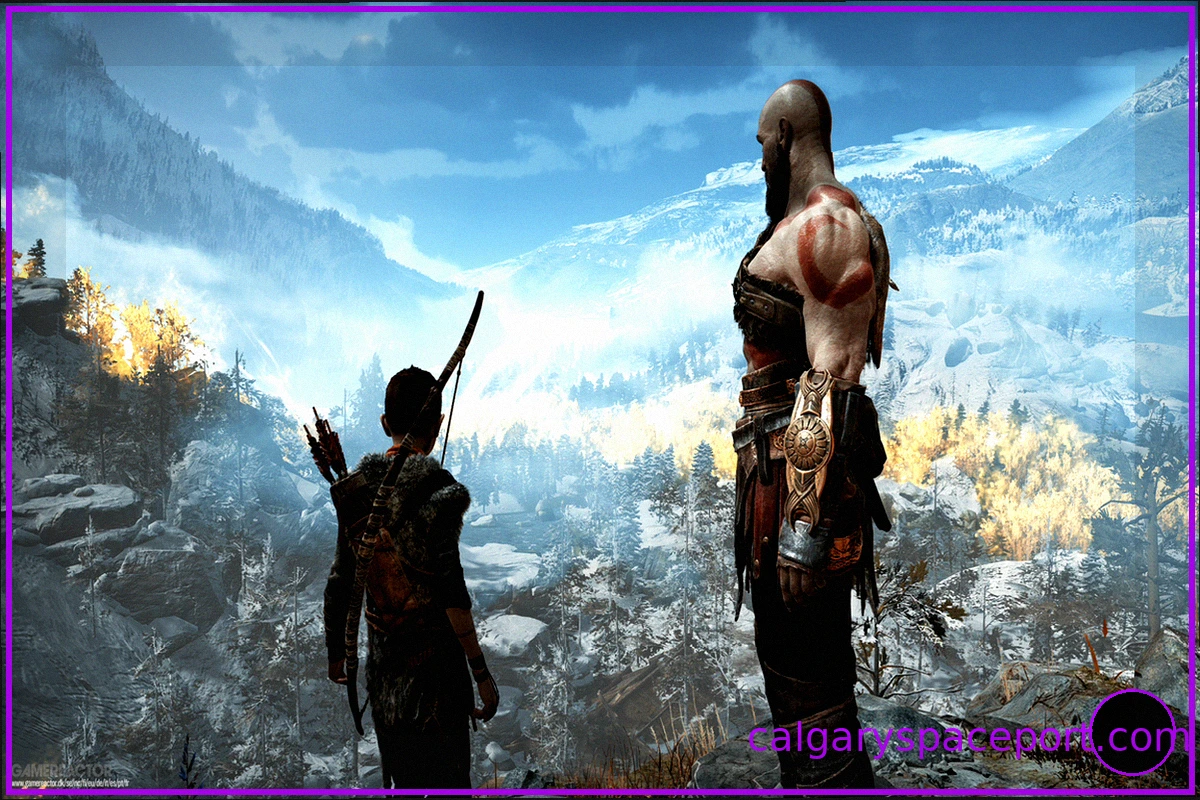
Christopher Judge, the Actor Behind Kratos, Calls for More Respect for Video Game Writers
Christopher Judge, the actor who brought Kratos to life in the 2018 game "God of War" and its 2022 sequel, "God of War: Ragnarök," has expressed a desire for video game writers and developers to receive the recognition and respect they deserve. During an appearance at FanExpo, Judge questioned
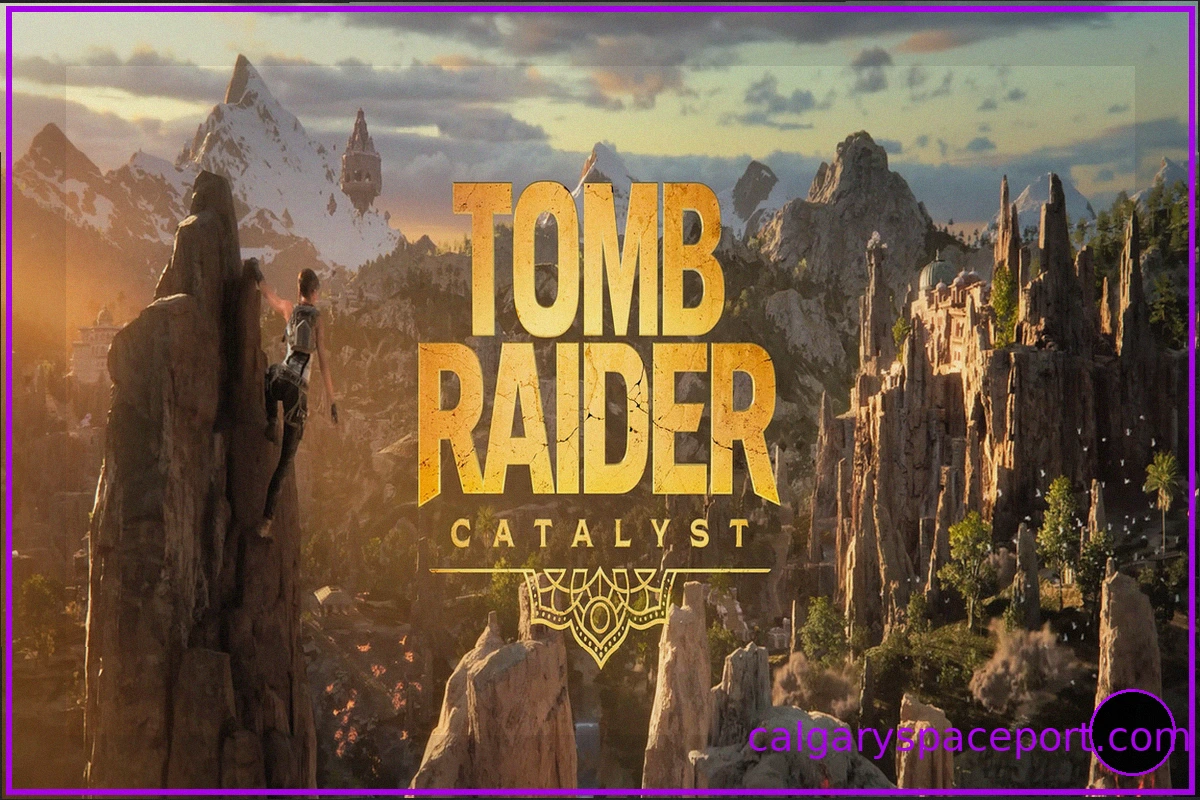
Tomb Raider: Catalyst Release Window Narrowed Down
While Lara Croft's return is anticipated next year with the release of Tomb Raider: Legacy of Atlantis on PC, PlayStation 5, Switch 2, and Xbox Series S/X on February 12th, it's clear Ms. Croft has even grander ambitions. A brand-new adventure, Tomb Raider: Catalyst, is also in development.
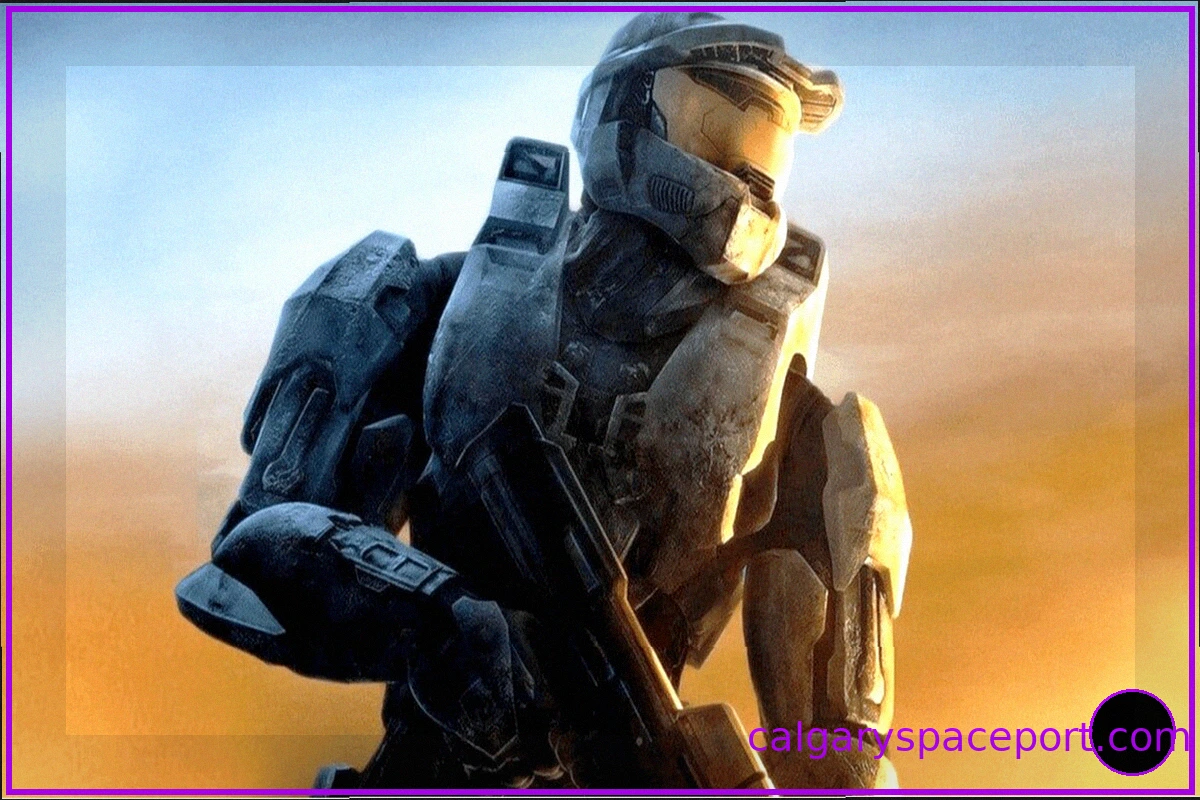
Halo Archive Lets Fans Relive Their Best Halo Memories, While Campaign Evolved Rekindles Nostalgia
As "Halo: Campaign Evolved" brings players back to where the legendary Xbox franchise began, nostalgia for the series' early, arguably golden years, has surged. But while fans are rediscovering that vast ring, another project offers a chance to revisit something far more personal: your own jou